A tiny strip of metal can stop your windows, lights, wipers, radio, charging port, or fuel pump from doing its job. That is why fuse problems deserve more respect than most drivers give them. A fuse is not exciting, but it is one of the few parts in your vehicle designed to fail on purpose before something more expensive gets hurt. When it blows, it is not being dramatic. It is sending a message.
Most owners only think about fuses after something quits working, and that delay often turns a small electrical warning into a bigger hunt. Good vehicle care starts with understanding how protective circuits behave, where the warning signs appear, and when a simple fix points to a deeper fault. Reliable information from automotive knowledge sources can help drivers connect small symptoms with smarter decisions before they start replacing parts blindly.
The trick is not becoming an electrician. The trick is learning how to read your vehicle’s electrical behavior without guessing your way through it.
How Fuse Problems Begin Inside a Vehicle
Most electrical failures do not arrive like a lightning strike. They build from heat, overload, age, vibration, moisture, or poor connections until one fuse reaches its limit. A fuse protects a circuit by breaking the path when current climbs higher than the circuit can safely handle, which means the blown part is often the result, not the root cause.
Why a Small Fuse Can Stop a Big System
A fuse looks too small to matter until one fails on the wrong circuit. A single fuse may protect the brake lights, interior lamps, power outlet, cooling fan, or a control module feed. When that link opens, the system loses power instantly, even if the rest of the vehicle runs fine.
This surprises owners because the failure feels larger than the part. A dead dashboard screen or silent fuel pump seems like a major repair at first glance, yet the first check may involve a plastic box under the hood or near the cabin. That mismatch between symptom size and part size is where many drivers overspend.
A fuse does not care whether you are late for work or parked outside a grocery store with frozen food in the trunk. It responds only to electrical load. Once current crosses its limit, it burns open to protect wires, connectors, switches, and devices farther down the line.
How Overloads Create Blown Fuse Symptoms
The most common blown fuse symptoms appear when one feature stops working while nearby features still behave normally. A power window may fail on one door, a phone charger may go dead, or the horn may stop while the headlights keep working. That uneven failure pattern is often the clue.
Overloads can come from simple habits. Plugging a cheap high-draw accessory into a power outlet can push the circuit past its rating. A trailer light connector with corrosion can cause a short. Even an aging wiper motor can draw too much current as it struggles against drag.
The counterintuitive part is that replacing the fuse may make the vehicle work again, but only for a moment. A fuse that blows twice is not unlucky. It is evidence. The circuit is telling you that the load remains wrong, and the second blown fuse is the receipt.
Reading Electrical Clues Without Guesswork
Once you know that a fuse is a messenger, the next step is reading the message with discipline. Random part swapping feels productive, but it often hides the real pattern. The sharper move is to look at what failed, what still works, and what changed right before the problem appeared.
Matching Symptoms to the Right Circuit
A smart check starts with grouping the failed features. If the dome light, radio memory, and power locks fail together, they may share a feed or a fuse panel path. If only one mirror adjustment stops, the issue may sit closer to that device than to a main fuse.
Your owner’s manual matters here. The fuse chart gives you the circuit name, fuse rating, and panel location. Those labels are not always poetic, and some abbreviations look like someone lost a bet with a keyboard, but they give you a map. Follow the map before touching parts.
A clean fuse box inspection also prevents a common mistake: pulling the wrong fuse, replacing it with the wrong amp rating, then creating a new problem. The printed number on the fuse is not a suggestion. A 10-amp circuit needs a 10-amp fuse because the wire and device were designed around that limit.
When Car Electrical Issues Point Beyond the Fuse
Some car electrical issues look like fuse trouble but come from weak grounds, loose battery terminals, damaged relays, or worn switches. Flickering lights, random resets, and intermittent starting problems rarely behave like a clean blown fuse. They act messy because the connection itself is unstable.
Heat can also expose faults that stay hidden when the vehicle is cold. A blower motor may run at first, then stop after twenty minutes because resistance rises as parts warm up. A fuse may survive until vibration or load pushes the circuit over the edge. That pattern matters more than the moment of failure.
Good diagnosis respects timing. Write down whether the problem appears after rain, after installing an accessory, after towing, after a battery change, or after hitting a rough road. Those details narrow the search faster than any guess from the driver’s seat.
Safe Checks Vehicle Owners Can Do First
You do not need a shop bay to handle the first layer of fuse checking. You do need patience, the right replacement size, and enough restraint not to “upgrade” a fuse because the correct one keeps blowing. Bigger is not safer here. Bigger can turn a protected circuit into an overheated wire.
How to Perform a Fuse Box Inspection
A proper fuse box inspection starts with the vehicle off, the key removed, and the manual open to the right diagram. Many vehicles have more than one fuse panel, often one inside the cabin and another under the hood. Guessing the location wastes time and invites mistakes.
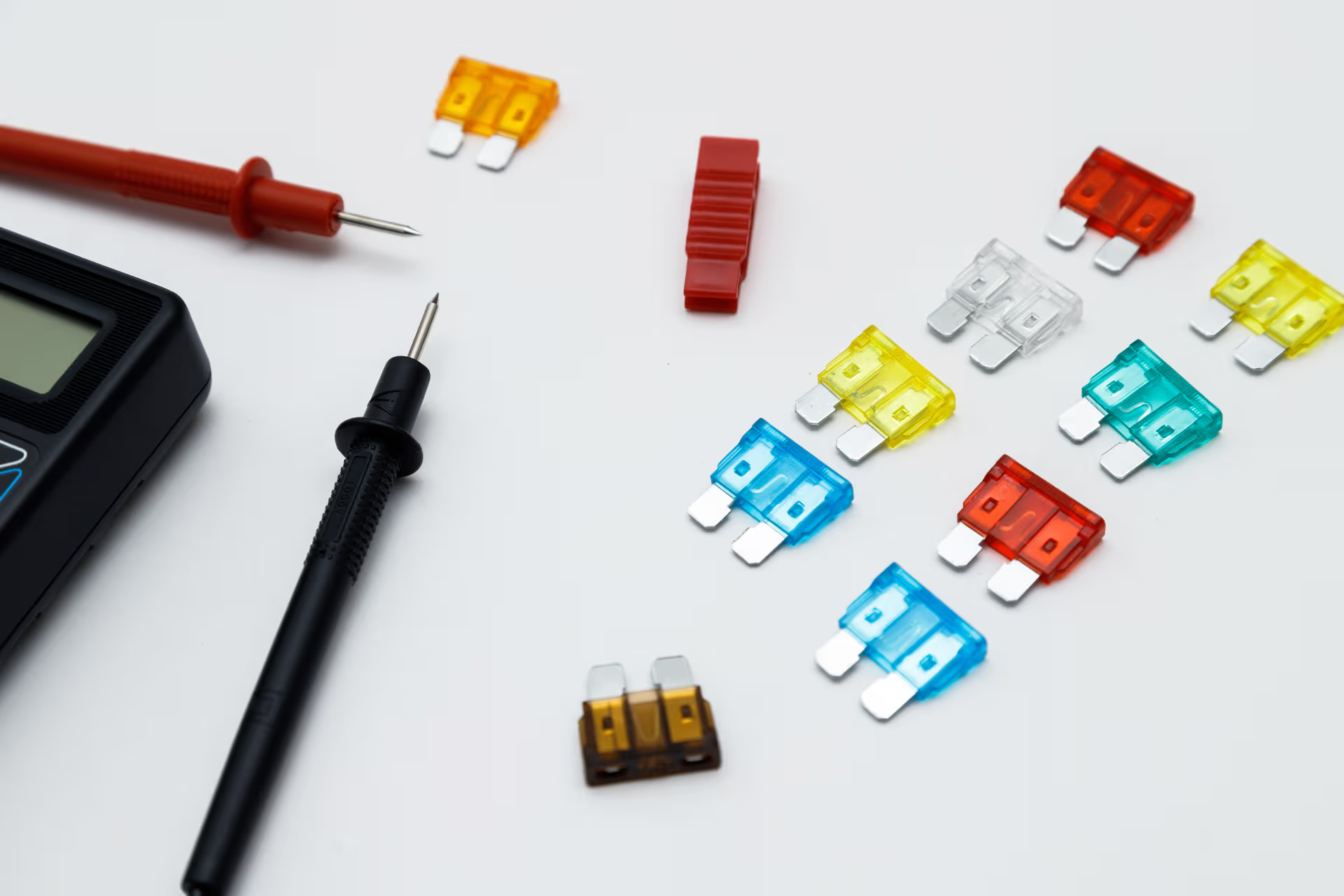
Use the fuse puller if the vehicle includes one, or use careful needle-nose pliers if access is tight. Hold the fuse up to light and look for a broken metal bridge inside the plastic body. Some blown fuses show a dark mark, but not all do, so do not rely on color alone.
A test light or multimeter gives a clearer answer when the fuse body is hard to read. Testing both small metal tabs on top of the fuse can show whether power reaches and leaves the fuse. This matters because a fuse can look fine while the circuit feed has a separate problem upstream.
Choosing Automotive Fuse Replacement the Right Way
Proper automotive fuse replacement means matching the same amperage, the same physical style, and the same circuit purpose. Mini, low-profile mini, micro, standard blade, cartridge, and high-current fuses are not interchangeable simply because they sit in the same box. Shape and rating both matter.
The worst shortcut is installing a higher-rated fuse to “get by.” That move does not solve the overload. It raises the danger point. The wire may heat before the fuse opens, and wiring repairs cost far more than replacing the correct part.
Keep a small pack of common fuse sizes in your glove box if your vehicle allows easy access to the panel. That simple habit can save a tow for a minor circuit failure. Still, the spare fuse is a first response, not a license to ignore repeated failure.
When a Blown Fuse Needs Professional Diagnosis
The line between owner-level checking and technician-level diagnosis is not about pride. It is about risk, equipment, and pattern recognition. A single failed fuse after an old phone charger shorted out may be simple. A fuse that blows every time you shift into reverse, start the engine, or turn on the heater needs trained eyes.
Repeated Blown Fuse Symptoms Are a Warning
Repeated blown fuse symptoms usually mean the circuit has a short to ground, a failing motor, a pinched wire, water intrusion, or an accessory drawing too much current. The fuse is not weak. The circuit is asking for more current than it should.
Aftermarket work often sits near the center of these cases. Added stereos, alarms, dash cameras, trailer wiring, remote starters, and lighting kits can create trouble when splices are poor or wires rub against metal edges. The vehicle may behave for months before heat and vibration expose the weak spot.
A good technician does not keep feeding fuses into the panel. They isolate the circuit, check current draw, inspect connectors, and follow the wire path until the fault shows itself. That takes time, but it avoids the expensive theater of replacing parts until the problem disappears.
How Car Electrical Issues Affect Long-Term Reliability
Ignored car electrical issues rarely stay polite. A weak connection can create heat, heat can damage terminals, and damaged terminals can raise resistance until the circuit becomes unreliable. The part that finally fails may not be the part that started the trouble.
Modern vehicles make this even more important because electrical networks now control comfort, safety, emissions, charging, lighting, and driver-assist functions. One poor connection can confuse a module, trigger warning lights, or make a system shut down to protect itself. The dashboard may look dramatic while the cause remains small and hidden.
This is where smart ownership pays off. You do not need to solve every circuit yourself, but you should recognize when a pattern has crossed the line from minor nuisance to diagnostic job. Paying for a proper test beats paying twice for guesses.
Conclusion
A vehicle fuse is small, cheap, and easy to overlook, which is exactly why it deserves attention. It sits between normal operation and electrical damage, taking the hit when a circuit asks for more than it should. Treating it as a throwaway part misses the larger point.
The best owners do not panic when an electrical feature fails, and they do not start replacing random parts either. They check the manual, inspect the right panel, match the correct fuse, and watch what happens next. If the repair holds, the issue may have ended there. If the fuse blows again, the vehicle has given a clear warning.
That is the practical way to think about fuse problems: not as isolated annoyances, but as clues in a circuit story. Check the simple things first, respect repeated failure, and get proper diagnosis before a cheap warning turns into an expensive repair.
Frequently Asked Questions
What are the most common signs of a blown vehicle fuse?
A single electrical feature may stop working while the rest of the vehicle behaves normally. Dead power outlets, failed interior lights, silent horns, stuck windows, or nonworking wipers can all point to a blown fuse, especially when the failure happens suddenly.
Can I replace a car fuse myself at home?
Yes, many owners can replace a fuse safely if they use the owner’s manual and match the exact amperage and fuse style. The vehicle should be off before removal. If the new fuse fails again, stop replacing it and have the circuit checked.
Why does the same fuse keep blowing in my vehicle?
A repeat failure usually means the circuit has an overload, short, failing component, damaged wire, or poor accessory installation. The fuse is doing its job by opening the circuit. Replacing it over and over can hide a fault that needs proper testing.
Is it safe to use a higher amp fuse temporarily?
No. A higher amp fuse can allow too much current through wiring that was not built for it. That can overheat wires, damage connectors, or increase fire risk. Always use the rating printed on the fuse chart or the original fuse.
How do I know which fuse controls a certain car feature?
The owner’s manual or fuse panel cover usually lists circuit names, fuse numbers, and amp ratings. Some labels use abbreviations, so compare the chart carefully. A test light or multimeter can help confirm power when the visual chart is unclear.
Can a bad fuse cause warning lights on the dashboard?
Yes, some fuses feed control modules, sensors, lighting circuits, or communication paths. When power drops from one of those circuits, warning lights may appear. A scan tool may still be needed because warning lights can also come from non-fuse faults.
Should I disconnect the battery before checking fuses?
For basic blade fuse checks, turning the vehicle off and removing the key is often enough. Battery disconnection may be needed for some high-current circuits or sensitive repairs. Follow the manual, and avoid touching unfamiliar high-voltage or hybrid components.
When should I take fuse trouble to a mechanic?
Get professional help when the same fuse blows again, several electrical features fail together, burning smells appear, wiring looks damaged, or the problem started after accessory installation. Those signs point beyond a simple replacement and need circuit testing.