

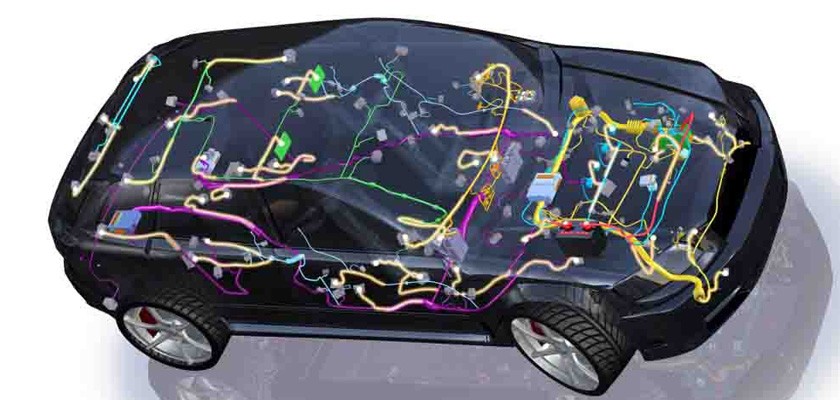
A car rarely gives up without warning. It whispers first through a slow crank, a flickering dash light, a burnt smell near the fuse box, or a strange reset in a system you thought had nothing to do with wiring. Better auto wire care matters because modern driving depends on signals moving cleanly through hidden paths under the hood, behind panels, and beneath the cabin floor. One weak connection can make a dependable vehicle feel unpredictable on the road.
Drivers often think about tires, oil, brakes, and fuel before they think about wiring. That makes sense because those parts are easier to see. Yet the electrical side of a vehicle controls more than comfort features. It supports starting, charging, lighting, sensors, safety systems, and the small control modules that decide how the car behaves every second. A driver who pays attention to practical vehicle upkeep guidance gains an edge because small electrical faults often become road issues only after they have been ignored for too long.
Why Better Auto Wire Care Starts Before a Warning Light Appears
Warning lights help, but they are late messengers. By the time a dashboard symbol appears, the vehicle may already have dealt with resistance, heat, corrosion, or intermittent power loss for weeks. The smarter move is to treat wiring as part of normal ownership, not as an emergency topic saved for breakdowns. This mindset turns electrical care from a repair bill into a prevention habit.
How vehicle wiring maintenance protects daily driving confidence
Vehicle wiring maintenance begins with noticing small changes that most drivers dismiss. A headlight that dims when the engine idles, a power window that slows down, or a radio that cuts out on rough pavement may not feel dramatic. Still, these signs can point to poor grounding, weak connectors, or wire insulation that has started to fail.
Daily driving hides electrical stress well because the car keeps moving until one circuit finally stops cooperating. Heat cycles expand and contract connectors. Moisture finds its way into plugs. Vibration works on wire routing every mile. None of this feels urgent during a short commute, but the damage collects quietly.
Good inspection habits bring that hidden wear into view. A technician checking battery terminals, ground straps, fuse panels, harness clips, and visible insulation can often catch problems before they interrupt a trip. The best repair is the one you never had to schedule on the side of the road.
Why electrical road problems often begin as small annoyances
Electrical road problems rarely begin with a dramatic failure. They usually start as a pattern that feels too minor to act on. The engine hesitates once, then behaves. A warning light flashes, then disappears. The door lock works on the second try. A busy driver shrugs and keeps going.
That shrug is where trouble grows.
Intermittent faults are difficult because they seem to fix themselves. In truth, they often respond to temperature, vibration, moisture, or vehicle movement. A loose connector may work in the driveway but fail over a pothole. A corroded terminal may pass enough current on a mild morning but struggle after a rainy night.
Drivers who respect those early hints save themselves from guessing later. A small electrical annoyance deserves attention because it tells you a circuit is losing its dependability. Road issues come from that loss of dependability, not from the final failure alone.
The Hidden Places Where Wiring Trouble Builds
Once you accept that wiring problems develop quietly, the next step is knowing where they tend to hide. Vehicle wiring is not one neat bundle sitting in open view. It runs through heat, moisture, tight spaces, moving panels, and areas where previous repair work may have disturbed the original routing. Each location creates its own kind of risk.
Battery terminals and grounds carry more than starting power
Battery connections look simple, but they shape the behavior of the entire electrical system. Loose terminals, greenish corrosion, cracked clamps, or weak ground straps can create symptoms that look unrelated to the battery. The car may start slowly, sensors may report odd readings, or modules may reset without a clear pattern.
A ground problem can be especially sneaky. Electricity needs a clean return path, and when that path becomes weak, current may seek another route. That can confuse circuits and create strange behavior across different systems. A driver may blame a sensor when the real issue sits at a corroded ground point near the engine or body.
Car electrical checks should always include these basic connection points before anyone starts replacing parts. It sounds plain, but plain checks often solve expensive mysteries. Many frustrating electrical road problems begin with a connection that needed cleaning, tightening, or replacement long before the dashboard complained.
Heat, moisture, and vibration punish wire insulation
Wire insulation has a hard life in a vehicle. Under the hood, heat rises and fades every time the engine runs. In wheel-well areas, water and road grime attack exposed sections. Inside doors, wires bend each time a window moves or a door opens. Over time, protection that once looked firm can become brittle, rubbed, swollen, or cracked.
Wiring damage prevention depends on protecting the harness from these repeated forces. Clips must hold wires away from sharp metal. Looms and covers need to stay in place. Connectors should seal against moisture. When a harness rubs against a bracket or hangs loose near a hot surface, it is not a harmless cosmetic issue.
The counterintuitive truth is that tidy wiring is not about neatness. It is about survival. A wire routed cleanly has room to avoid heat, friction, and strain. A wire left dangling after a repair becomes a future fault waiting for the right bump, puddle, or hot afternoon.
Better Auto Wire Care During Repairs and Upgrades
Many wiring problems do not start at the factory. They begin after a well-meaning repair, a rushed accessory install, or a cheap fix that solves one problem while creating another. Modern vehicles are packed with sensitive electronics, so wiring work needs discipline. The old habit of twisting wires together and wrapping them with tape has no place in a car you depend on.
Aftermarket accessories can create hidden circuit stress
Extra lights, dash cameras, audio upgrades, alarms, trackers, and charging ports can be useful, but they must be installed with respect for the vehicle’s electrical design. Pulling power from the wrong circuit may overload a fuse, disturb a module, or create voltage drops that appear only under load. The accessory works, then something else starts acting strange.
A clean installation uses the right fuse protection, proper wire gauge, secure connectors, and safe routing. It also avoids cutting into factory harnesses when a better adapter or dedicated power source exists. Shortcuts may save an hour during installation, but they can cost far more when a car develops a fault nobody can trace quickly.
Vehicle wiring maintenance should include a look at any non-factory wiring added to the car. Extra wires tucked behind panels should not look like a nest. They should be labeled, protected, secured, and fused. If an accessory installer cannot explain where power comes from and how the circuit is protected, the car owner inherits the risk.
Cheap repairs often fail where the eye cannot see
A wire repair can look fine from the outside and still be weak inside. Poor crimps, exposed copper, low-grade tape, undersized wire, and mismatched connectors can fail slowly under heat and vibration. The car may leave the shop working well, then develop odd symptoms weeks later when the repair area starts to loosen or corrode.
Good wiring repair has a certain honesty to it. The connection must be mechanically firm, electrically sound, sealed against moisture where needed, and supported so it does not carry strain. A repair that depends on tape alone is not a repair. It is a delay.
Car electrical checks after body work, engine work, or interior work can catch these weak spots. Panels get removed. Harnesses get moved. Connectors get unplugged. Even careful technicians can miss a clip or pinch a wire during reassembly. A post-repair inspection gives the wiring one more chance to prove it was put back the way the vehicle needs it.
Building a Simple Habit That Prevents Road Issues
A driver does not need to become an electrician to protect a vehicle’s wiring. The goal is not to diagnose every circuit. The goal is to build a small, repeatable care routine that catches visible risk, respects early symptoms, and keeps repair work from turning messy. Prevention works best when it fits into normal ownership rather than feeling like another burden.
A practical inspection rhythm keeps wiring from being forgotten
Wiring damage prevention works best when it is tied to moments that already happen. During oil changes, ask for a quick look at battery terminals, visible grounds, fuse areas, and under-hood harness routing. Before long trips, check that lights, wipers, horn, windows, charging ports, and dash warnings behave normally. After heavy rain or rough-road driving, pay attention to new electrical quirks.
This rhythm matters because wiring issues often punish delay. A rubbing harness does not improve with time. A loose terminal does not tighten itself. Moisture in a connector does not become less corrosive because the car still starts today. Small inspections interrupt that slide before the vehicle becomes unreliable.
Drivers should also keep a short record of odd electrical behavior. Write down when it happened, the weather, the driving condition, and what else was running in the car. That small note can save diagnostic time later. A fault that appears after rain, over bumps, or with headlights on gives a technician a direction instead of a guessing game.
Choosing the right help matters more than replacing parts fast
Electrical diagnosis rewards patience. Swapping parts may feel active, but it can waste money when the issue is a poor connection, weak ground, damaged wire, or overloaded circuit. A skilled technician tests voltage, resistance, continuity, load behavior, and circuit condition before reaching for replacement parts.
That kind of work may not look exciting, but it is the difference between fixing the fault and chasing symptoms. Better auto wire care includes choosing repair help that respects testing over guesswork. A shop that explains findings clearly gives you more than a bill. It gives you confidence that the vehicle’s electrical path has been checked, not guessed at.
The best habit is simple: act when the car first changes its behavior. Do not wait for the failure to become dramatic. Road confidence grows from small decisions made early, and electrical care rewards the driver who listens before the car has to shout.
Conclusion
A dependable car is not built only on strong mechanical parts. It also depends on clean signals, firm connections, protected harnesses, and repair work that does not leave hidden weaknesses behind. Electrical problems feel mysterious because most of the system is out of sight, but the habits that prevent them are surprisingly practical.
Better auto wire care gives you control over one of the most overlooked causes of roadside trouble. It pushes you to notice small signs, question sloppy repairs, protect wiring during upgrades, and include electrical checks in routine service. That is not overthinking ownership. That is respecting the way modern vehicles actually work.
Treat every flicker, slow response, odd reset, or repeated fuse issue as a message worth reading. Schedule a focused electrical inspection before a small fault turns into a roadside problem, because the safest drive is the one that never becomes a rescue call.
Frequently Asked Questions
How does vehicle wiring maintenance prevent road issues?
Vehicle wiring maintenance prevents road issues by catching weak connections, damaged insulation, corrosion, and poor grounding before they interrupt key systems. Since wiring supports starting, lighting, sensors, and charging, small electrical faults can affect safety and reliability faster than many drivers expect.
What are the first signs of electrical road problems?
The first signs often include flickering lights, slow cranking, repeated blown fuses, warning lights that come and go, weak power windows, or accessories resetting without reason. These symptoms may appear minor, but they often point to a circuit that needs inspection.
How often should car electrical checks be done?
Car electrical checks should be done during routine service, before long trips, and after major repairs or accessory installations. A quick inspection of terminals, grounds, fuses, connectors, and visible wiring can catch problems early without turning maintenance into a complicated task.
Why is wiring damage prevention important in modern cars?
Wiring damage prevention matters because modern cars rely on electronic control for engine behavior, safety features, lighting, charging, and comfort systems. A damaged wire can disrupt signals between components, causing symptoms that seem unrelated until the circuit is properly tested.
Can a bad ground wire cause driving problems?
A bad ground wire can cause slow starts, dim lights, sensor errors, random warning lights, and unstable module behavior. Since electricity needs a clean return path, poor grounding can make several systems act strangely even when the battery and parts seem fine.
Are aftermarket accessories risky for vehicle wiring?
Aftermarket accessories become risky when installers tap the wrong circuit, skip fuse protection, use poor connectors, or route wires near heat and sharp edges. A clean installation with proper protection and routing can prevent many future electrical headaches.
What should I check before a long road trip?
Check headlights, brake lights, turn signals, wipers, horn, battery terminals, charging behavior, dash warning lights, and any accessory wiring you can safely see. A short pre-trip electrical review can reveal faults that may become bigger under heat, distance, or vibration.
When should I visit a technician for wiring problems?
Visit a technician when electrical symptoms repeat, appear after rain, happen over bumps, blow fuses, affect starting, or trigger warning lights. Waiting for a complete failure can make diagnosis harder and increase the chance of being stranded.