Passenger vehicles are expected to do more than provide transportation. Owners often want a combination of comfort, practical functionality, attractive styling, and dependable performance. As aftermarket options become more varied, it is easier to personalize a vehicle, but choosing the right upgrades still requires careful planning.
The best modifications are those that suit the vehicle’s purpose and remain useful over time. Before purchasing accessories or replacing exterior components, consider compatibility, material quality, installation requirements, and the impact on everyday driving.
Establish Your Priorities First
Start by identifying what you want to improve. Some owners want a refreshed exterior, while others are interested in protecting vulnerable panels or making their vehicles more comfortable for passengers.
A clear objective helps prevent unnecessary spending. It also makes it easier to compare products based on measurable qualities instead of marketing language.
Cosmetic Changes Versus Functional Improvements
Cosmetic upgrades focus primarily on appearance. They may include new trim, replacement body panels, or coordinated exterior styling components. Functional improvements address a specific need, such as durability, access, or protection.
Some products serve both purposes, but their benefits should be evaluated separately. An attractive accessory should not automatically be considered a performance enhancement unless there is reliable evidence supporting that claim.
Choosing Exterior Styling Components
Exterior components should complement the vehicle’s existing proportions. Bumpers, side skirts, spoilers, and trim pieces all contribute to the overall visual balance, so choosing them individually without considering the complete design can create an inconsistent result.
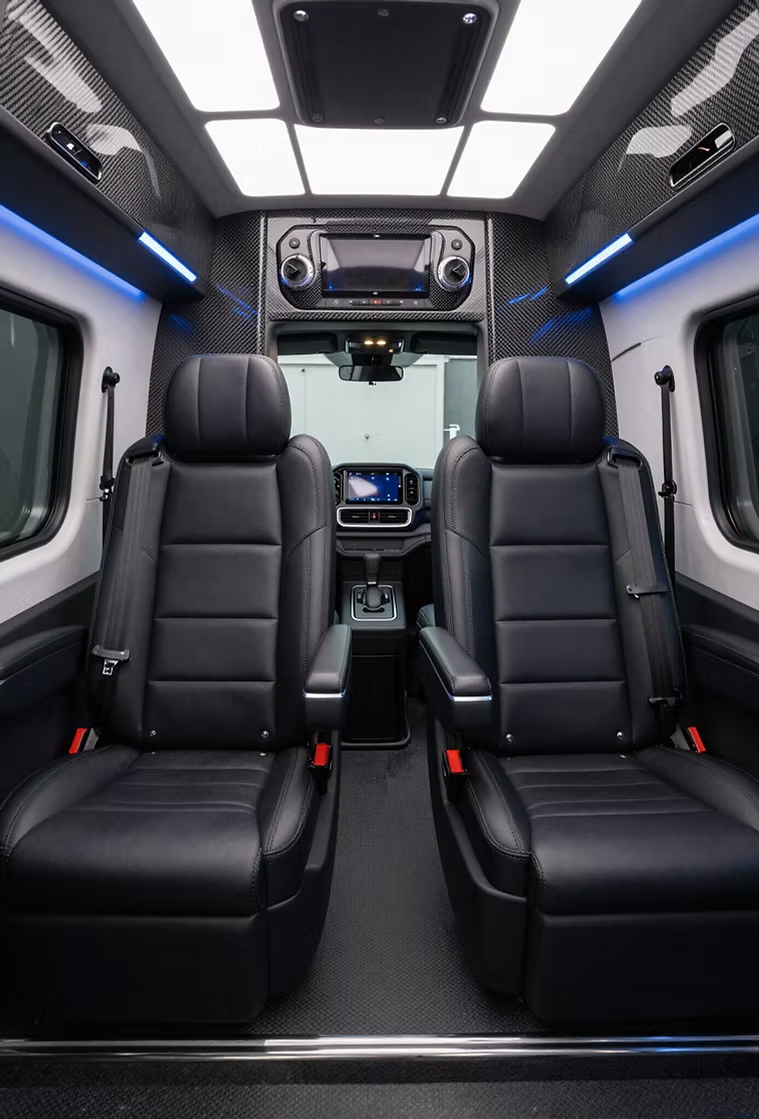
For owners researching a v class body kit exact fitment is particularly important. Confirm the model year, body configuration, trim level, and included parts before placing an order. Ask whether the components are direct replacements or require additional preparation and adjustment.
Product photographs can help establish the intended style, but they cannot confirm compatibility on their own.
Understanding Material Options
Different automotive materials offer different advantages. Molded plastics can accommodate complex shapes, while fiberglass composites may provide flexibility in custom designs. Carbon-fiber composites are often chosen for their distinctive appearance and potential weight advantages in suitable applications.
No material is ideal for every component. The correct choice depends on where the part will be installed, the conditions it will experience, and the manufacturer’s specifications.
Look Beyond the Surface Finish
A glossy finish may look impressive, but the quality of a component also depends on its construction, dimensions, edges, and mounting points. Check for visible defects and request details about material composition and installation requirements.
If the component will be exposed to road debris, frequent contact, or elevated temperatures, confirm that it is suitable for those conditions.
Preserving Everyday Usability
A modification should not make the vehicle more difficult or less safe to use. Lower body components can reduce clearance, while poorly positioned trim may interfere with doors, parking sensors, or other equipment.
Think about the roads and parking areas you use regularly. If the vehicle frequently encounters steep driveways or uneven surfaces, a design that preserves practical clearance may be preferable to an extremely low profile.
Changes must also preserve required lighting, reflectors, registration plates, and safety equipment. Verify local regulations before making modifications that could affect roadworthiness.
Installation and Preparation
Correct installation has a significant influence on the final result. Before work begins, inspect the parts, verify the vehicle application, and identify any damaged factory mounting points.
Some components require painting or surface preparation. Others may need specialist tools, additional hardware, or careful adjustment to achieve an even fit.
Why Rushing Can Be Expensive
Rushed work may lead to uneven panel gaps, damaged paint, loose fasteners, or components that rub against adjacent parts. Correcting these problems later can cost more than allowing sufficient time for proper installation initially.
Once the work is complete, inspect the vehicle carefully. Test doors, sensors, lights, and other affected functions, and investigate any unusual movement or noise.
Maintaining Your Upgrades
Routine maintenance helps preserve the appearance and function of aftermarket components. Clean surfaces using products suitable for their materials and follow the supplier’s recommendations.
Periodically inspect exposed edges, clips, brackets, and fasteners. Road vibration, minor impacts, and environmental exposure can affect components over time. Addressing small issues early may prevent more extensive damage.
Keep documentation for purchased parts and professional installation work. These records can help with future repairs and clarify the vehicle’s modification history.
Budgeting for the Complete Project
The total cost may include the component, delivery, paintwork, installation, hardware, and any necessary adjustments. Request an itemized estimate and clarify whether the quoted price includes all required work.
Consider the value of the upgrade in relation to how frequently you use the vehicle and how long you expect to keep it. A durable, well-fitting component may offer better long-term value than a cheaper alternative that requires repeated adjustment or replacement.
Conclusion
Vehicle upgrades work best when they reflect clear priorities and respect the vehicle’s original function. By checking compatibility, evaluating materials, preserving everyday usability, and allowing for proper installation, owners can achieve a more personalized appearance without creating avoidable maintenance problems. A thoughtful approach delivers a result that remains practical long after the initial installation.
FAQs
1. What is the first step when planning a vehicle upgrade?
Identify the goal of the project and establish a budget. Then confirm compatibility and compare products based on their specifications, materials, and installation needs.
2. How can I avoid buying incompatible exterior parts?
Provide the supplier with the exact model, production year, trim level, and relevant body configuration. Request written confirmation of fitment where possible.
3. How do I maintain aftermarket body components?
Clean them with compatible products, inspect mounting points periodically, and follow the manufacturer’s maintenance guidance. Repair loose or damaged parts promptly.