

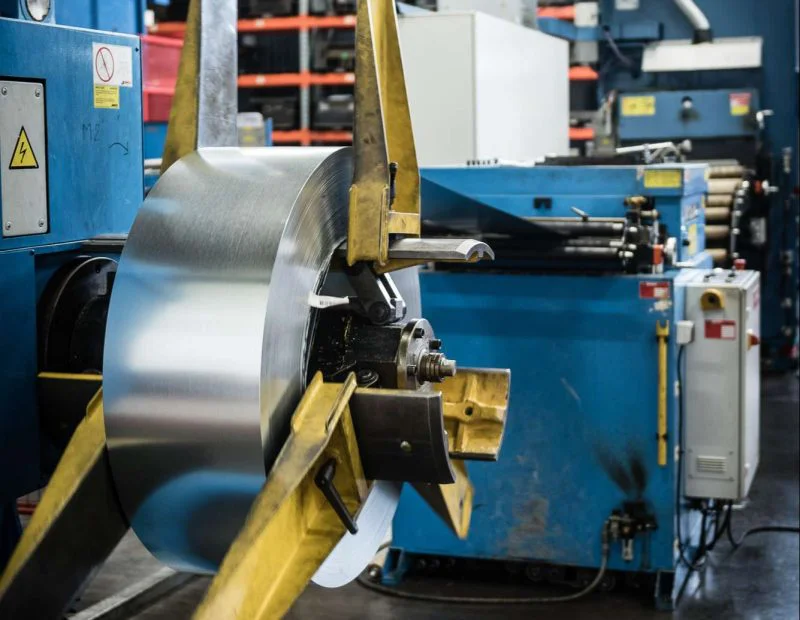
Automotive manufacturing relies on repeatable processes to produce components that fit correctly and maintain consistent quality. Tooling supports this objective by providing the molds, fixtures, patterns, and equipment needed to shape materials and position parts during production.
In composite manufacturing, tooling is particularly important because the mold can influence the component’s dimensions, surface finish, and release from the manufacturing process. Choosing an appropriate tooling solution helps manufacturers balance product quality, production volume, and cost.
What Does Automotive Tooling Include?
Tooling is a broad term that covers the equipment used to form, hold, cut, or inspect components. In composite production, molds and forming tools are especially important because they determine the shape of the finished part.
Fixtures may also be used to hold components in the correct position during assembly or inspection. The specific tooling system depends on the material, component geometry, manufacturing process, and required output.
Why Tooling Should Be Planned Early
Tooling decisions influence product design and manufacturing cost. If a design includes difficult undercuts, inaccessible surfaces, or complicated release geometry, the mold may become more expensive or difficult to use.
Reviewing manufacturability early allows designers to make adjustments before the tooling is produced. This can reduce rework and make the eventual production process more efficient.
The Relationship Between Design and Tooling
A component’s geometry determines many of the requirements placed on its mold. Curves, recessed areas, mounting flanges, and changes in thickness can affect how the part is formed and removed.
Designing for Repeatable Results
A mold should support the required dimensions across repeated production cycles. Its material, rigidity, surface quality, and thermal behavior can all influence consistency.
For a small prototype run, the tooling strategy may prioritize speed and cost. For repeated production, durability and dimensional stability may become more important.
The right approach depends on the intended production volume and the quality requirements of the final part.
Surface Quality and Finishing
The mold surface can influence the appearance of a composite component. If the finished part will have a visible woven pattern or a high-gloss surface, mold preparation and cleanliness become especially important.
Scratches, contamination, and other surface defects may transfer to the part. Regular inspection and appropriate maintenance help reduce this risk.
Selecting a Tooling Material
Tooling materials can include metals, composites, and other engineered materials suitable for the manufacturing process.
Metal tooling may provide durability and dimensional stability for appropriate applications. Composite tooling may be useful where weight, geometry, production requirements, and cost favor that approach.
No material is ideal for every project. Selection should consider operating temperature, expected number of cycles, component size, mold complexity, and inspection requirements.
Evaluate the Complete Process
A tooling material must be compatible with the manufacturing method. Processes involving heat, pressure, vacuum, or particular release agents may place specific demands on the mold.
Discuss these requirements with the tooling provider before selecting a material. The decision should be based on the full process rather than a general preference for one material category.
Tooling for Carbon Fiber Components
Carbon fiber components are manufactured using reinforcing fibers and a resin system. The fibers may be woven or arranged in specific directions to support the intended design.
The mold helps establish the component’s shape, while manufacturing technique and material handling influence the final quality.
Fiber Placement and Geometry
Complex shapes can make fiber placement more challenging. Wrinkles, bridging, or inconsistent reinforcement may affect the finished component.
Tooling geometry should support the intended fiber arrangement and manufacturing process. Prototype trials may reveal areas that require design changes or adjustments to the production method.
Controlling Defects
Potential defects can include voids, surface imperfections, inconsistent resin distribution, and dimensional variation. Not all defects originate from tooling, so manufacturers should assess the entire process.
Consistent material preparation, suitable curing conditions, operator training, and inspection all contribute to quality.
Understanding Tooling Costs
The cost of tooling depends on the component’s size, geometry, material, manufacturing process, precision requirements, and expected production quantity.
A complex mold may require substantial design and machining work before the first component is produced. Tooling may also need finishing, testing, and adjustments.
Initial Investment Versus Long-Term Value
A low-cost mold may be appropriate for limited production, but frequent repairs or inconsistent output can increase the overall cost.
For repeated production, consider the expected number of cycles, maintenance needs, and cost of downtime. A more durable tooling solution may offer better value when the component will be manufactured regularly.
Ask for an itemized quotation that identifies design, materials, machining, finishing, inspection, and prototype work.
Quality Assurance and Inspection
Tooling should be inspected before production and maintained throughout its working life.
Check for surface damage, wear, contamination, and changes in dimensions. Where necessary, use appropriate measurement equipment to confirm critical features.
Validate the First Parts
The first components produced from new tooling should be checked against the approved specification. Review dimensions, mounting points, surface finish, and fitment.
If problems appear, determine whether they result from the tooling, the component design, or the manufacturing process. Correctly identifying the cause helps prevent unnecessary changes and repeated defects.
Maintenance and Storage
Tooling requires appropriate cleaning and storage. The correct procedure depends on the mold material and the manufacturing system.
Protect surfaces from impact, contamination, and environmental conditions that could affect performance. Follow the supplier’s guidance for release agents, cleaning products, and storage orientation.
Document repairs and maintenance so that changes in product quality can be traced to tooling condition when necessary.
Choosing a Tooling Partner
A capable tooling partner should understand the required material, geometry, production method, and quality expectations. Clear communication is important throughout design, manufacturing, and validation.
When discussing carbon tooling ask how the proposed tooling will support the specific component and production process. Confirm the expected service life, inspection method, revision policy, and ownership arrangements.
These details help ensure that the tooling is suitable not just for the first component, but for the broader manufacturing plan.
Frequently Asked Questions
1. Why is tooling important in automotive manufacturing?
Tooling helps establish component geometry, positioning, and repeatability. Appropriate tooling can support consistent quality and reduce avoidable production problems.
2. Does composite tooling require regular maintenance?
Yes. Inspection, cleaning, appropriate storage, and timely repair help preserve surface quality and dimensional consistency.
3. Can one mold be used for every composite manufacturing method?
No. Tooling requirements vary according to the process, materials, temperature, pressure, geometry, and production needs.
Conclusion
Tooling is central to reliable automotive manufacturing because it connects product design with repeatable production. By selecting suitable materials, designing for manufacturability, validating initial parts, and maintaining equipment properly, manufacturers can improve consistency and manage costs more effectively. Careful tooling planning helps ensure that the production process supports the component’s intended requirements from the first part onward.