
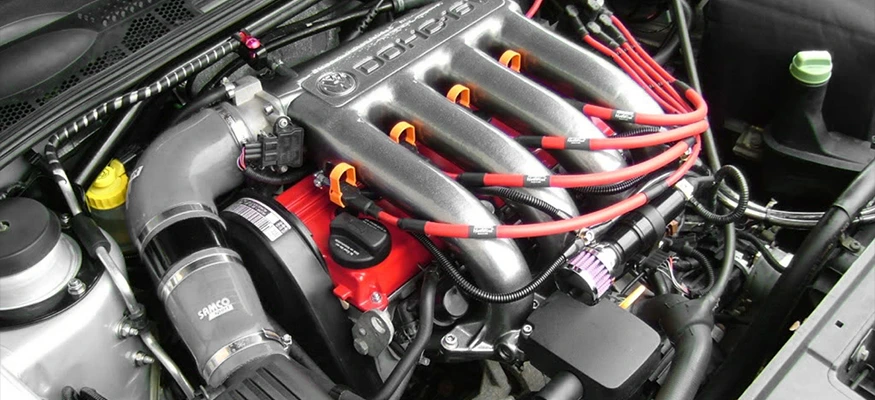
A sticky runner valve can make a normal daily driver feel tired, touchy, and hard to trust at stoplights. When drivers search for a Manifold Runner Valve problem, they are usually chasing a strange mix of rough idle, weak low-speed pull, poor fuel economy, and a check engine light that refuses to stay gone. The short answer is this: the valve changes the path air takes into the engine, and when it sticks, the engine gets the wrong air pattern for the moment. That can hurt torque around town, make starts feel uneven, or trigger codes such as P2004, P2005, P2006, or P2007. Cleaning may help when carbon, oil vapor, or sticky residue is the cause. It will not fix a broken actuator, cracked linkage, bad wiring, or a worn shaft. For readers comparing repair choices across U.S. shops, automotive repair publishing resources can help frame the problem in plain language before money changes hands.
Why the Runner Valve Matters More Than Most Drivers Think
The runner valve is easy to overlook because it does not look dramatic. It is not a turbo, a fuel injector, or a sensor with a name every parts store clerk knows. Still, it can change how an engine breathes at the exact speeds Americans use most: pulling away from a red light, climbing a freeway ramp, or easing through school traffic with the air conditioning on.
At lower engine speeds, many engines want air to move faster through a narrower path. That helps cylinder filling and low-end response. At higher speeds, the engine wants more open airflow. The runner system helps switch between those needs. Trouble starts when the flap, shaft, linkage, vacuum diaphragm, solenoid, or electric actuator does not move when commanded.
What the valve changes inside the intake
Think of the intake as a set of hallways. At low speed, a longer or narrower path helps air keep its speed. At higher speed, a shorter or more open path feeds the engine with less restriction. The valve does not add power by magic. It helps the engine use the air it already has at the right time.
That is why a small valve can create symptoms that feel bigger than the part itself. A Ford, Honda, Mazda, Mercedes, Chrysler, or Volkswagen may still start and drive with a stuck IMRC valve. Yet it may feel flat below 3,000 rpm, then wake up later. Or it may stumble when the computer expects one airflow pattern but receives another.
The non-obvious part is that wide-open throttle is not always where the problem feels worst. Many drivers notice it most during boring, normal driving. Light throttle exposes airflow mismatch better than hard acceleration because the engine has less fuel and spark room to hide the mistake.
Why symptoms often feel random at first
A sticky valve may not fail the same way every trip. Heat, oil mist, humidity, and engine load can change how freely the mechanism moves. A cold morning in Michigan may make a gummy shaft drag. A hot restart in Arizona may thin residue enough for the valve to move again.
That is why one scan can show a pending code and the next drive may feel clean. OBD-II systems are designed to monitor emissions-related failures and electrical problems, so a fault may need the right conditions before the check engine light stays on. The EPA’s overview of OBD requirements explains the basic role of onboard diagnostics in watching those systems.
Do not treat “it went away” as proof the part healed. A runner valve often gives you warnings in stages. First comes a soft hesitation. Then rough idle symptoms show up. Later, the car fails an emissions inspection readiness check or stores a hard fault right before renewal season.
Manifold Runner Valve Symptoms You Should Not Ignore
The most useful symptom is not one sign by itself. It is the pattern. A single rough idle can come from spark plugs, vacuum leaks, dirty throttle bodies, fuel trim errors, weak coils, or bad motor mounts. A runner fault becomes more likely when low-speed weakness, scan codes, and intake-side movement issues line up.
This is where many DIY repairs go wrong. Drivers replace a sensor because the code mentions a circuit, or they spray cleaner into the intake because the internet said carbon buildup cleaning fixes everything. Both can waste money. The better move is to sort the symptoms by when they happen.
Low-speed weakness, hesitation, and flat throttle response
A common complaint sounds like this: “The car drives, but it feels heavy.” You press the pedal at 25 mph, and the response comes late. On a ramp, the engine revs but does not pull with its usual bite. In city driving, the vehicle may need more throttle than before to keep up with traffic.
That happens because the intake path is wrong for the engine speed. If the valve is stuck open when it should be closed, low-speed air velocity can drop. If it is stuck closed when it should open, the engine may feel choked at higher rpm. Either way, the computer is trying to manage airflow it cannot shape.
A practical example: a V6 crossover used for errands may feel fine on the highway but lazy leaving a grocery store parking lot. The owner may blame transmission shift timing. The shop may see fuel trims moving and chase a vacuum leak. The runner system sits between those guesses, and it deserves a direct check.
Rough idle symptoms, codes, and inspection headaches
Rough idle symptoms can appear when the valve sticks partly open, when one bank moves and the other does not, or when an intake leak forms around the runner assembly. The engine may shake at stoplights, dip below normal idle speed, or flare briefly after startup. Some vehicles also make a light tapping or clicking if plastic linkage is loose.
Codes help narrow the field, but they do not tell the whole story. P2004 and P2005 often point toward a runner control stuck open. P2006 and P2007 point toward stuck closed conditions. Other vehicles may show manufacturer-specific codes, position sensor faults, or lean mixture codes if air leaks join the party.
Here is the counterintuitive point: clearing the code before inspection can make things worse. In many U.S. states with OBD-based emissions checks, readiness monitors need drive time after codes are cleared. The car may show no light for a day, then fail because monitors are incomplete. Fix first, clear once, then complete the drive cycle.
For deeper repair planning, pair this issue with diagnosing check engine light codes so you do not treat one stored code as the whole diagnosis.
Cleaning Guide: When It Helps and When It Wastes Time
Cleaning is worth trying when the runner moves but feels sticky, when carbon or oily residue is visible, or when the fault appears after long stop-and-go use. It is less promising when the actuator is dead, the linkage is broken, the position sensor lies, or the shaft is worn inside the manifold.
A good cleaning job is patient, not aggressive. Intake parts often use plastic, rubber seals, small clips, and fragile vacuum nipples. Forcing a stuck flap can turn a cheap cleaning attempt into a full manifold replacement. That is the repair nobody wanted.
Safe cleaning steps before removing the manifold
Start with the simple checks while the engine is cool. Look for cracked vacuum hoses, loose electrical plugs, broken plastic arms, missing clips, and oil around the intake. On some cars, the actuator is visible. On others, it hides under covers, hoses, or the upper manifold.
A basic sequence works for many home mechanics:
- Scan the codes and save freeze-frame data before clearing anything.
- Inspect hoses, wiring, and linkage by hand with the engine off.
- Command the actuator with a scan tool if your tool supports bidirectional tests.
- Remove the air duct and inspect the throttle body area for heavy oil film.
- Use intake-safe cleaner only where the service manual allows it.
- Move external linkage gently, never with force.
- Replace brittle gaskets if any intake section comes off.
Carbon buildup cleaning is not the same as soaking random parts with harsh solvent. Strong cleaner can swell seals, damage sensors, or wash debris into places you cannot reach. If the design has removable runner plates, bench cleaning is often safer than spraying blindly through the throttle opening.
When removal and bench cleaning make sense
Removal makes sense when you can see thick deposits, when the runner shaft drags by hand, or when the valve sits deep enough that spray cleaning cannot reach the sticky area. This is common on higher-mileage engines that spend years in short-trip use. Oil vapor from the crankcase ventilation system can leave a tacky film that catches dust and carbon.
Bench cleaning also lets you inspect the truth. You can see whether the flaps are cracked, whether the shaft has play, and whether the actuator arm moves the full range. That matters because a stuck IMRC valve may look dirty but fail because the plastic stop broke or the motor gear stripped.
A smart shop in Ohio, Texas, or California will often quote both paths: clean and test if the assembly is intact, replace if movement is sloppy or the actuator fails. That may sound cautious, but it saves repeat labor. Paying twice to remove the same upper intake hurts more than buying the right part once.
For related maintenance, cleaning carbon buildup from engine parts is a good internal follow-up because intake residue rarely affects only one small part.
Diagnosis Before Parts: How to Avoid the Expensive Guess
The runner system sits in a crowded neighborhood. Vacuum leaks, MAP sensor errors, dirty throttle bodies, weak ignition coils, clogged EGR passages, and fuel trim problems can mimic it. Guessing from symptoms alone is a fast way to build a pile of good parts on the garage floor.
A better diagnosis asks three questions. Did the computer command movement? Did the actuator try to move? Did the valve reach the position the computer expected? Those questions separate electrical, mechanical, and airflow problems. They also keep you from replacing a manifold when a cracked hose caused the code.
Testing the actuator, linkage, and position feedback
On vacuum-operated systems, check whether vacuum reaches the diaphragm and whether the diaphragm holds. A hand vacuum pump can reveal a leaking diaphragm in minutes. If vacuum drops, the actuator may never move the linkage with enough force. If vacuum holds but the arm does not move, the shaft may be stuck.
On electric systems, inspect the connector, wiring, and ground before condemning the actuator. Corrosion inside a plug can mimic a failed motor. Some cars use a position sensor so the engine computer can confirm movement. If the commanded position and actual position disagree, the scan data will often show the gap.
Here is a useful driveway detail: watch the linkage during key-on, startup, or a scan-tool command. Many systems perform a sweep. If the motor clicks but the arm does not move, think mechanical bind. If nothing clicks and power is missing, think circuit, fuse, relay, or control fault.
Repair choices: clean, replace, or leave it alone
Cleaning is the right call when movement is sticky but complete, deposits are visible, and the actuator passes testing. Replacement is the right call when the housing is cracked, the shaft is loose, the actuator fails commands, or the position sensor reads wrong. Leaving it alone is only fair when testing points somewhere else.
Cost varies by vehicle layout. A four-cylinder with easy access may be a modest repair. A transverse V6 can hide the runner assembly under the upper intake, which adds labor. In rust-belt states, age also changes the repair. Brittle connectors and hard vacuum lines can break during disassembly, so the estimate should include small parts.
The non-obvious repair choice is replacing gaskets even when they look usable. A runner repair often disturbs intake seals. Reusing flattened gaskets can create a new vacuum leak, which then looks like the original issue came back. That is not bad luck. That is skipped sealing work.
Conclusion
A sticking runner valve is not the loudest engine problem, but it can make a good vehicle feel worn out before its time. The best approach is calm testing: confirm the code, watch the movement, inspect the linkage, check vacuum or wiring, and decide whether cleaning has a fair chance. A Manifold Runner Valve issue should never be treated as a spray-and-pray repair, because the same symptoms can come from leaks, sensors, ignition faults, or broken plastic parts. Still, when carbon and oil film are the cause, a careful cleaning can restore low-speed response and stop the check engine light from returning. For U.S. drivers facing inspection deadlines, the smartest move is to repair first, clear codes once, and let readiness monitors complete before testing. Do that, and you avoid the worst outcome: paying for parts, failing inspection, and starting over. Diagnose the movement, not the rumor, and the repair path gets much cleaner.
Frequently Asked Questions
How do I know if the runner valve is stuck open or closed?
Scan codes give the best clue. P2004 or P2005 often points toward a stuck-open condition, while P2006 or P2007 often points toward stuck closed. Driving feel also helps: weak low-end pull can suggest stuck open, while high-rpm restriction can suggest stuck closed.
Can I drive with a stuck IMRC valve?
You may be able to drive short distances, but it is not wise to ignore it. Power can drop, fuel use can rise, and the check engine light can block emissions inspection. If the engine misfires, runs lean, or enters limp mode, stop driving and diagnose it.
Will carbon buildup cleaning fix every runner control problem?
No. Cleaning helps when sticky residue or carbon is blocking movement. It will not repair a dead actuator, broken linkage, cracked manifold, failed position sensor, or damaged wiring. Testing before cleaning keeps you from spending time on the wrong repair.
What does a bad runner actuator sound like?
Some actuators click, chatter, or tap when gears slip or linkage binds. Others fail silently. Sound alone is not enough for diagnosis. Watch the linkage during a command test and compare commanded position with actual movement when scan data is available.
Can a stuck runner valve cause rough idle symptoms?
Yes, especially when the valve is partly stuck or when the intake seals leak after the assembly wears. The idle may shake, dip, surge, or feel uneven at stoplights. Similar symptoms can come from spark, fuel, or vacuum issues, so testing still matters.
Is it better to clean the intake or replace the whole manifold?
Clean it when the flaps, shaft, and actuator still move correctly after deposits are removed. Replace it when plastic linkage breaks, the shaft has play, the actuator fails, or the housing cracks. Labor access also matters because repeat removal can cost more than the part.
What causes a stuck IMRC valve on high-mileage engines?
Oil vapor from the crankcase ventilation system, soot, heat, and age can form sticky deposits around the flaps and shaft. Short trips make it worse because the engine spends more time warming up. Plastic parts can also weaken after years of heat cycles.
Do I need a mechanic or can I clean it myself?
A careful DIYer can inspect visible linkage, hoses, plugs, and light residue. Manifold removal is harder and can risk broken clips, leaks, or lost hardware. Use a mechanic if access is tight, codes return after cleaning, or scan-tool command testing is needed.