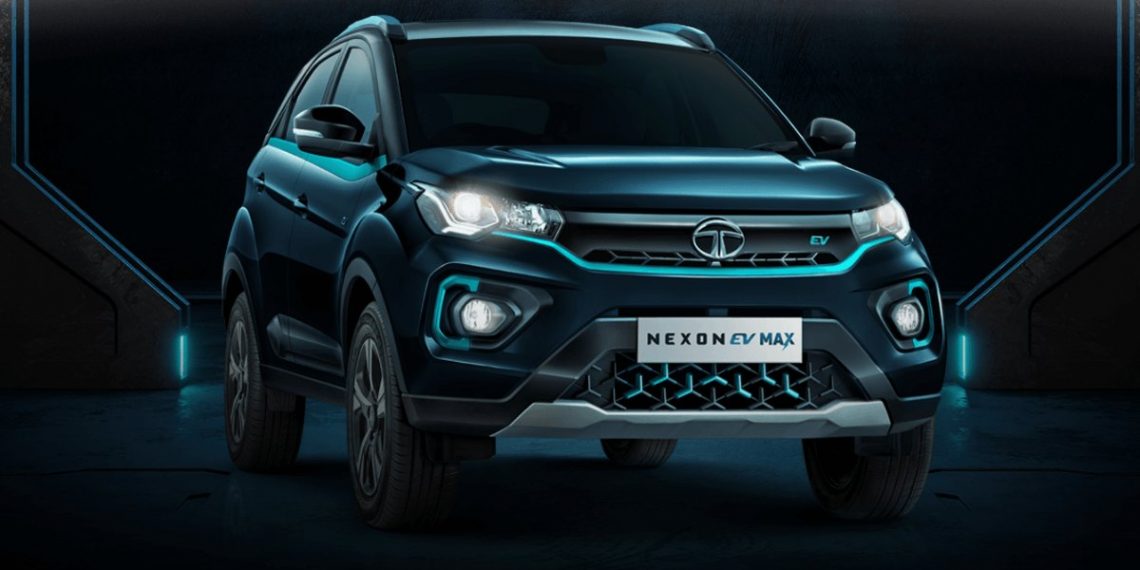
Range anxiety feels different when the weather is doing half the driving in daily stop-and-go traffic. The Tata Nexon EV looks strong on paper because the 45 kWh version is advertised with a 489 km MIDC full-charge figure, which lands near 304 miles before real roads, speed, grade, passengers, and climate control take their bite. For a U.S. reader comparing global EVs or studying affordable electric SUVs, the honest answer is simple: heat usually trims range in a steady, manageable way, while cold can hit harder because the car must warm both people and hardware. That gap matters in Phoenix, Minneapolis, Denver, and anywhere a “full charge” has to survive freeway speeds. Smart owners treat the range number as a ceiling, not a promise. The better habit is to build a personal range map around season, route, and charging access, the same way practical automotive ownership guides turn spec sheets into decisions you can live with.
Why Tata Nexon EV Range Numbers Need Climate Context
The first mistake is reading a certified range figure like a fuel-tank label. A gasoline tank holds the same gallons in July and January, even if mileage shifts. An EV battery is more sensitive because weather changes the energy needed for movement, cabin comfort, and battery temperature control. That does not make the Nexon.ev weak. It means the number on the brochure is a lab result, while your commute is a weather report with traffic lights and local habits.
Why MIDC Numbers Feel Higher Than Daily Driving
The MIDC cycle is not the same as an American freeway loop with 70 mph traffic, long on-ramps, and a family using climate control. It is useful for comparing versions of the same market car, but it can flatter real-world EV range when the route is fast or hilly. A driver who sees the 489 km figure and expects that same distance during a New Jersey winter highway run is setting up a false test.
The fairer way is to think in layers. Start with the official figure, then subtract for speed, temperature, tires, payload, and HVAC use. Add another small mental discount if the car sits outside all night, because the first miles often carry the highest comfort demand. A calm city route in mild weather may feel close to the car’s best side. A cold highway route with wet pavement and defrost running will not.
A mildly strange truth sits here: slow city traffic can help an EV look good, even though it annoys the driver. Stop-and-go movement lets regenerative braking recover energy that a gasoline car throws away as heat. Long freeway speed does the opposite. It keeps air resistance high, and no amount of gentle mood can beat physics.
How American Roads Change the Math
The Nexon.ev was shaped for India’s dense traffic, mixed surfaces, and shorter daily distances. American use is different. A Dallas suburb can turn a grocery run into a 22-mile round trip. A Chicago airport commute may add high speeds, freezing air, and a pre-dawn cabin heat demand before the car has moved a block.
That is why U.S. readers should judge the car as a case study in small-battery EV discipline, not as a direct rival to a long-range Tesla or Hyundai. The pack size can serve daily use well when the owner charges at home and keeps a buffer. It becomes less forgiving when the route depends on rare public chargers or back-to-back highway legs. Rural drivers feel that limit sooner than city drivers because each missed charger costs more time. This is the same split that shapes many lower-cost EVs: they are calm and cheap to run in routine use, then suddenly feel small when the day becomes messy.
The useful comparison is not “Can it match the brochure?” It is “Can it finish my hardest normal day with room left?” A driver with a 34-mile round-trip commute, school pickup, and one errand loop does not need a giant pack. A driver crossing mountain passes in January needs a different plan, even in a car with a bigger battery. That is where EV shopping becomes personal. Two people can own the same car and report opposite range stories because their roads, garages, and weather never matched. A buyer in Los Angeles may care about heat soak and parking shade, while a buyer in Buffalo may care more about overnight charging and defrost time.
Heat, Air Conditioning, and the Range You Lose First
Hot weather feels hostile to batteries, but summer range loss is often smaller than winter loss during normal driving. The bigger issue is how heat changes driver behavior. People blast the A/C after the car sits in a blacktop parking lot. They drive faster on open roads. They keep the cabin cold enough for passengers in the back seat. The battery pays for all of it, one small draw at a time. Summer also tempts drivers to ignore charging because the car feels healthy, which can make the low-battery warning arrive on the one day traffic turns ugly. Heat rarely fails loudly; it usually steals miles quietly.
Hot Weather EV Range Is Often Better Than Drivers Fear
The phrase hot weather EV range sounds scary because heat and batteries have a bad reputation together. The fear is not silly. Long-term battery health hates repeated heat stress. Daily range, though, is often more stable than drivers expect unless the heat is severe or the car has been baking in direct sun.
Think of a July afternoon in Phoenix. The cabin may start far hotter than the outside air, so the first ten minutes of cooling are expensive. Once the cabin settles, the A/C load drops and the car may cruise at a steadier rate. The early hit feels dramatic on the display, then calms down. This is why a driver may see a rough first mile after leaving a mall, then a much smoother energy pattern once the cabin stops fighting stored heat.
The counterintuitive part is that a shaded parking spot can save more range than a magic driving trick. If the cabin starts cooler, the compressor has less work to do. A windshield shade, garage, or covered charger can protect range before your foot touches the pedal. This matters more in a compact cabin than many drivers expect, because the first cooling pull is short but sharp.
Why Short Trips in Summer Can Beat Highway Runs
A short summer trip is not always bad for an EV. If the cabin is pre-cooled while plugged in, the first miles can be gentle. A five-mile run to a store in Tampa may use less energy than expected because speeds stay low and the A/C settles fast. The car spends more time fighting cabin heat than road speed, but the fight ends soon.
Highway travel is less forgiving. Push a small electric SUV into fast traffic with four people and luggage, and the air itself becomes the tax collector. Hot weather EV range drops faster when A/C demand meets high-speed drag. The climate system is not the only drain; it is one voice in a louder chorus. Roof boxes, underinflated tires, and soft summer compounds can add their own quiet losses.
For U.S. owners, the best summer habit is boring and effective: pre-cool while charging, set a sane cabin temperature, and avoid using the accelerator like an on-off switch. For deeper planning, pair this with daily EV charging habits so the car begins each hot day with enough margin instead of a hopeful guess. In humid places like Houston or Orlando, defogging can run even when the temperature is not brutal, so comfort settings still deserve attention.
Cold Roads Punish the Battery Before the Motor
Winter changes the whole feel of an EV. The motor still has strong torque, so the car may feel lively at low speed, but the energy budget is under pressure before the trip begins. The battery is cold, the cabin is cold, the windshield needs defrost, and the tires may roll through slush or packed snow. That is a lot to ask from a pack meant for affordable daily transport. The unfair part is that the car may feel normal from the driver’s seat while the energy meter tells a harsher story.
Cold Climate EV Performance Starts Before You Leave
Cold climate EV performance is less about one frozen mile and more about the hour before it. A car parked outside overnight in Minnesota starts the day with a cold pack and a cold cabin. If it is plugged in, preconditioning can warm the cabin from wall power. If it is not plugged in, the battery pays for that comfort.
The U.S. Department of Energy guide on EV battery drains explains the main winter problem in plain terms: weather affects range, and heating the cabin and battery is a major power draw after propulsion. That is why heated seats can be smarter than blasting warm air across the whole cabin. The seat warms your body directly, while cabin heat warms glass, air, trim, and empty space before you feel comfortable.
Here is the odd lesson: leaving with 90 percent charge and a warm cabin may beat leaving with 100 percent and an icy cabin. The second driver owns more stored energy at the start, but spends it fast on heat. Comfort taken from the plug is range protected on the road. That is why apartment dwellers without reliable charging face a different winter equation than homeowners with a garage outlet.
Why Cabin Heat Hurts More Than A/C
Cold air attacks from two sides. Battery chemistry slows, then the heater asks for energy that a gas car would pull from engine waste heat. In an EV, heat is not free. Even with a well-managed battery pack, winter cabin comfort has a direct cost on the dashboard. Add a short errand pattern, and the loss can feel worse because the car warms up again and again instead of settling into one longer drive.
The Nexon.ev’s liquid-cooled battery helps manage pack temperature, and that matters in both heat and cold. It does not erase winter physics. A liquid-cooled system gives the car a better chance to keep the pack in a healthy window, but heating people, glass, and battery cells still consumes energy. The hardware can protect consistency, yet it cannot make February behave like May.
For an American driver, the best winter habit is routine. Plug in at home, preheat before unplugging, clear snow so drag does not rise, and use seat heat where possible. A winter EV ownership guide can cover those habits in more detail, but the main idea is simple: do the warm-up work before the battery has to carry you.
How to Plan Miles Without Worshipping the Dashboard
The dashboard estimate is useful, but it is not a contract. It reacts to recent driving, temperature, and energy use, which means it can flatter you after slow city miles and scare you after a cold freeway blast. Good EV ownership starts when you stop treating that number as truth and start treating it as a weather-sensitive hint. The calmer metric is arrival percentage: learn what remains after your normal route in each season.
A Practical Charging Buffer for U.S. Drivers
Build your range plan around your worst normal day. If your longest weekly loop is 80 miles, do not ask whether the car can do 304 miles in a lab. Ask whether it can do 80 miles in 25°F weather with heat, traffic, wet roads, and a grocery stop. That is the test that matters.
A smart buffer for a compact EV is often 20 to 30 percent in normal weather and more when the trip includes freezing temperatures, mountains, or sparse chargers. That may sound cautious, but it keeps you from making every errand a math problem. Peace of mind has value. The buffer also covers human behavior, such as a missed exit, an extra stop, or a charger occupied by someone else.
Real-world EV range also changes with charging speed and stop timing. The Nexon.ev’s official DC fast-charge claim is useful for road planning, but public charging is never as neat as a spec sheet. Charger output, battery temperature, and state of charge can slow the session. Plan stops where waiting is acceptable, not where the map looks tidy or where the next option sits too far away. A charger beside dinner is better than a faster-looking plug beside a closed office park.
Driving Habits That Return Range Without Feeling Slow
Most range advice sounds like punishment. Drive slower. Use less heat. Carry less. Fine, but people still have lives. Better advice is to remove waste without making the car unpleasant. Keep tires at the correct pressure, look far enough ahead to avoid hard braking, and let regen do work when traffic allows. Use Eco mode when traffic is dull, then switch back when you need a clean merge.
On a California freeway, dropping from a fast left-lane pace to a calm right-lane pace can return more miles than turning the cabin into a sauna. In Atlanta traffic, smooth starts and early lifts may help more than obsessing over one degree on the climate screen. The best trick is the one you can keep doing. If a habit makes you angry, you will abandon it by Friday.
A small EV teaches you something bigger packs hide. Range is not a single number. It is a relationship between speed, air, comfort, and planning. Once you see that, the Nexon.ev becomes easier to judge fairly, and so does every other electric SUV on your list. The reward is not bragging about maximum miles. It is arriving without drama.
Conclusion
A range figure is a starting point, not a finish line. The Nexon.ev shows why affordable EVs need smarter reading than old fuel-economy habits. The Tata Nexon EV can make sense as a daily-distance electric SUV when the driver respects climate, speed, charging access, and winter heat demand. It is less convincing when judged by a brochure number alone or pushed into long cold highway trips without margin or a reliable charging stop.
The bigger lesson reaches beyond one model. Heat usually asks for patience and smarter cabin control. Cold asks for planning before departure. Neither condition ruins EV ownership, but both expose lazy expectations. For U.S. readers, the right move is to build a personal range rule from your actual route, not from a perfect test cycle. Write down your toughest weekly drive, then add weather before you judge the car. Charge before the hard day, precondition when plugged in, and keep a buffer you can trust. That is how an EV becomes steady transportation, not a daily bet, even when the forecast changes suddenly overnight again.
Frequently Asked Questions
How much range can the Nexon.ev deliver in normal city driving?
Mild city driving is where this electric SUV usually has its best chance to feel efficient. Lower speeds, frequent regen, and shorter trips help preserve energy. The result depends on tire pressure, traffic, cabin settings, passengers, and whether the route has long climbs.
Does cold weather reduce electric SUV range more than hot weather?
Yes, cold weather often hurts more because the car must warm the cabin and may need energy to manage battery temperature. Heat mainly adds A/C load during normal use. Winter also brings denser air, wet roads, and defrost demand, which can stack losses.
Is the Nexon.ev good for American highway driving?
It can explain the limits of smaller-pack EVs, but it is not built around U.S. interstate habits. Long fast drives drain energy faster than city routes. A driver covering daily local miles would judge it more kindly than someone making frequent 200-mile highway trips.
What is the best way to improve winter EV range?
Preheat while plugged in before departure. That lets the wall outlet handle cabin warm-up instead of the battery. Keep tires properly inflated, clear snow from the vehicle, use seat heat when possible, and avoid starting long trips with a thin charge buffer.
Why does the dashboard range estimate change so much?
The estimate reacts to recent energy use. A slow mild commute can make it optimistic, while a cold highway run can make it drop fast. It is a planning aid, not a fixed promise. Watch the battery percentage and trip distance together.
Does air conditioning damage EV range in hot climates?
A/C reduces range, but the effect is usually manageable once the cabin cools. The first minutes after parking in sun use the most energy. Parking in shade, pre-cooling while plugged in, and using a moderate temperature setting can reduce the hit.
Should I charge to 100 percent before every cold trip?
Charge high before a long winter drive, but daily 100 percent charging is not always needed. A better habit is to charge enough for the route, precondition while plugged in, and keep a reserve. Follow the owner manual for battery care guidance.
What matters more for range, speed or weather?
Both matter, but speed can punish range in any season because air resistance rises fast. Weather adds HVAC and battery-management load. A cold high-speed trip combines both problems, which is why winter freeway driving needs the largest planning buffer.