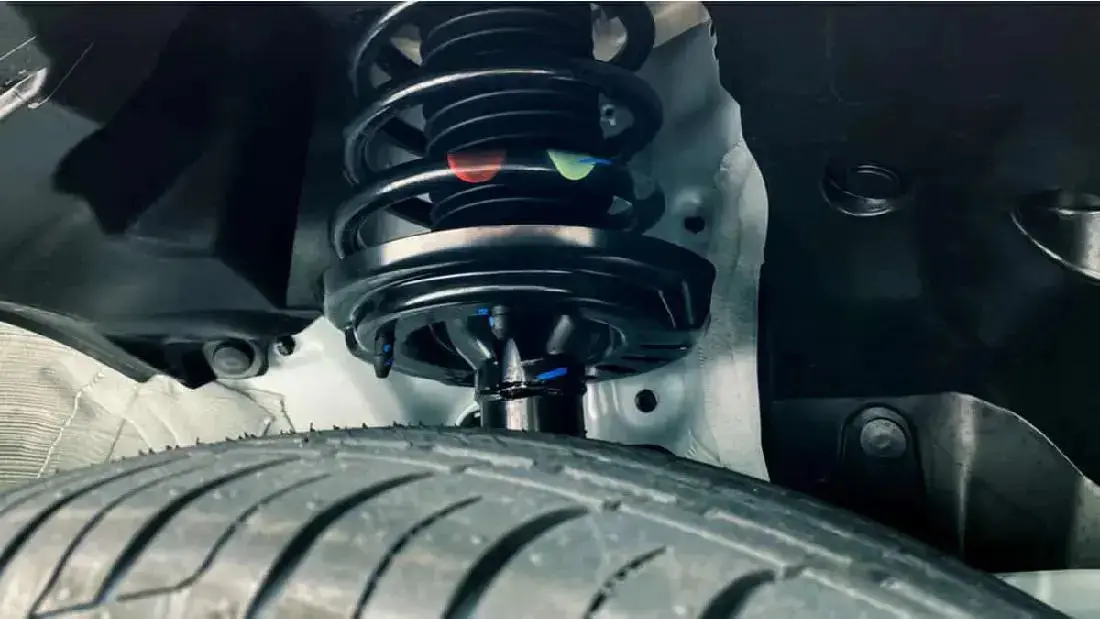
A small click at the wheel can feel harmless until it starts showing up every time you back out of a parking spot. The strut bearing plate sits at the top of a MacPherson strut, where steering load, spring tension, road shock, and body weight all meet. When it wears or binds, the usual signs are a steering click noise during slow turns, a popping feel through the wheel, a spring that seems to wind up before releasing, or a dull clunk from the upper front corner. Many owners first notice it in a driveway, a grocery store lot, or a tight U-turn, which is why practical auto guides from PR Network can be useful when you are trying to separate noise from danger. The tricky part is that bad strut mount symptoms can sound like tie rods, sway bar links, ball joints, or even a loose brake pad. The key is pattern. A bearing plate complaint follows steering angle more than road speed, and that pattern tells you where to look first.
Why a strut bearing plate Makes a Steering Click Instead of a Bounce
The upper strut area has a strange job because it supports weight while also letting the strut rotate as you steer. That is why a failed top mount often feels different from a weak shock absorber. A worn shock usually shows itself over dips, lane changes, or repeated bouncing. A sticky bearing plate complains when the front wheels turn while the spring is under load. Think of it as a hinge that also carries the corner of the car. When the hinge gets gritty, the whole corner starts talking. The noise may sound small, but the force behind it is not small at all. That is why a quiet test on flat ground can reveal more than a rough road drive with the radio off.
Steering click noise at parking-lot speeds tells a cleaner story
The best clue often appears below 10 mph. You turn the wheel left to leave a curb space, and the front corner clicks once or twice. You may feel a faint snap through the steering wheel or floor. On many front-wheel-drive sedans and crossovers in the USA, that click happens while the tire is loaded and the suspension is twisted a little by the pavement.
That low-speed setting matters. At highway speed, wind, tire hum, and engine noise hide smaller chassis sounds. At walking speed, the car has no excuse. The strut should rotate in a smooth arc. When the bearing drags, the coil spring stores tension. Then it releases. That release is the click, pop, or knock you hear.
A counterintuitive point catches many owners: the noise may be louder while the car is barely moving than while it is rolling fast. That does not mean the problem is fake. It means the bearing is being asked to rotate under high static load, with less tire slip to ease the strain.
Bad strut mount symptoms that do not feel like bad shocks
Bad strut mount symptoms often come through the steering before they come through ride comfort. You may notice a notchy spot in the wheel, a creak while turning in place, or a mild pull that changes after a turn. Some cars also hesitate to return to center after a corner, then settle back as if the steering had to think about it.
The upper rubber mount can add another layer. If the rubber cracks or separates, the strut rod can shift against the body mount. That creates a dull knock over driveway lips, speed bumps, and broken asphalt. In Salt Belt states like Michigan, Ohio, Pennsylvania, and New York, road salt and water can speed the damage around the upper mount area, even when the rest of the strut still looks decent.
Do not judge the part by bounce alone. A car can pass the old push-down test and still have a binding upper bearing. The damper may control motion fine while the top mount fails at rotation. That is why a steering-linked sound deserves its own check instead of being lumped into generic front suspension noise.
The Driver Clues That Separate Bearing Plate Wear From Other Front-End Problems
Once you know the sound follows steering load, the next step is sorting it from look-alike faults. This is where many DIY guesses go wrong. The front end is a crowd of parts, and several can knock, click, or clunk. The useful question is not, “What noise is it?” The useful question is, “When does it happen?” A good diagnosis respects the order of events. Steering first, bump second, throttle third, and speed last. That order often reveals more than the sound itself. It also keeps you from blaming the loudest part of the car instead of the part doing the work when the sound appears.
Match the sound to steering angle, road bumps, and body load
A bearing plate issue tends to appear when steering angle changes. Turn the wheel while parked, creep forward with the wheel near full lock, or reverse out of a sloped driveway. If the click shows up at the top of the strut tower area, the upper mount deserves attention. A helper standing safely outside can often hear the sound near one fender while the driver turns the wheel in short movements.
Tie rod ends have a different flavor. They often create looseness, wandering, or a sharper knock when the steering direction changes. Sway bar links tend to rattle over small repeated bumps, even when the steering wheel stays straight. CV axles click in a faster rhythm during turns under throttle, especially on front-wheel-drive cars. A bearing plate click is usually slower, heavier, and tied to the spring winding up.
Here is the simple driveway order that keeps the diagnosis sane:
- Turn the wheel slowly from center to left and right while stopped.
- Repeat while creeping forward at idle speed.
- Drive over a low curb lip or driveway seam with the wheel straight.
- Try the same seam with the wheel turned.
- Listen from both front corners, not from the cabin alone.
If the sound only appears with the wheel turned, the upper strut path moves higher on the suspect list. If it rattles over every small bump, widen the search.
Front suspension noise can travel through the body
Front suspension noise lies. A click from the right strut tower can sound like it came from the left dash vent. A clunk at the upper mount can echo through the cowl. Many owners replace sway links first because the sound seems low and forward, then find the click remains. The body shell acts like a drum, and the strut tower is bolted into that drum.
One non-obvious trick is to watch the spring, not only the mount. With the hood open and the car safely on the ground, have someone turn the steering wheel in short, slow moves. If the spring twists, pauses, then jumps, the bearing is not letting the assembly rotate cleanly. Keep fingers, hair, sleeves, and tools away from the spring and top mount while doing this. Loaded springs are no joke.
For a clearer check, many shops use chassis ears or a mechanic’s stethoscope on safe contact points. A home builder or DIY owner does not need pro gear to spot the pattern, but the pattern must be repeatable. One click after a hard pothole can be random. The same click every time the steering crosses a certain angle is evidence.
What Causes the Upper Bearing Plate to Wear Out Early
The top strut mount lives in a mean spot. It sees water from the windshield cowl, heat from the engine bay, grit from the road, and impact from the tire. Then it gets blamed for being noisy. In truth, the part often fails because its job combines rotation and impact in a space most owners never inspect. That hidden location creates another problem: owners keep driving because nothing looks broken at wheel level. The fault is above the tire, under the tower, and often under plastic trim or a dust cap. By the time the sound gets loud, the tire may already be wearing oddly or the driver may have learned to steer around the defect without meaning to.
Road salt, potholes, and heavy front ends speed up wear
In northern states, the upper mount can age faster because saltwater creeps into the bearing area. In cities with broken pavement, pothole hits send sharp force through the strut rod. On heavier crossovers, minivans, and compact SUVs, the front suspension carries more weight than many older sedans did. That load makes a dry or gritty bearing work harder during low-speed steering.
A real-world example: a commuter in Chicago may hear the first pop in February after weeks of salted roads and freeze-thaw potholes. The car may drive fine on the interstate, yet click every morning while backing out with the wheel turned. That pattern fits a top bearing that is still holding together but no longer rotating smoothly.
The odd part is that clean-looking cars can have noisy mounts. The bearing can dry out under the cap while the visible rubber looks fair. A shiny strut body does not prove the top is healthy. Rust is a clue, not a requirement.
Replacement timing matters more than brand loyalty
Many strut jobs fail to solve noise because only the damper gets replaced. The old mount, bearing, boot, and spring seat go back on the new strut. That can be fine on a low-mile car with a known history. On a 110,000-mile daily driver, it is a gamble. The labor to reach the mount is already done, so reusing a tired top assembly can turn a repair into a repeat visit.
Complete strut assemblies are popular because they include the spring, mount, bearing, boot, and damper in one unit. They save time and reduce the need to compress the old spring. Yet they are not always the best answer for every car. Some budget assemblies may ride higher, feel stiffer, or use parts that do not match the original feel. A careful shop may prefer a quality damper with a fresh mount kit when the original spring is still in good shape.
This is where the buyer needs judgment, not a slogan. If you are planning the repair at home, read front suspension repair planning before ordering parts. A noisy top mount is not always a reason to replace every front-end part. It is a reason to inspect the whole load path and avoid paying twice for the same labor.
How to Diagnose, Repair, and Prevent the Click From Coming Back
A steering click should not send you straight into panic, but it should change your plan. Suspension noises tend to get costlier when ignored because one loose or binding part makes the next part work harder. The goal is not to throw parts at the car. The goal is to confirm the source, repair both sides when it makes sense, and get the alignment back where it belongs. A calm process also protects your wallet. Random part swaps feel fast on a Saturday morning, but diagnosis saves the next three Saturdays. It also helps you decide when the job belongs in a driveway and when a spring-loaded strut should go to a shop.
Safe inspection steps before you order parts
Start with the basics. Check tire pressure, lug nut tightness, visible spring damage, leaking struts, torn dust boots, cracked upper rubber, and loose hardware. Look at both towers under the hood. If one side has a raised center sleeve, split rubber, or rust stains around the mount, compare it with the other side. Differences matter.
Next, test the sound under controlled conditions. Use an empty lot, keep speed low, and repeat the same turn. A steering click noise that appears during slow steering and disappears when the car tracks straight points toward the upper rotation path. A clunk that happens over all bumps, with or without steering, may point elsewhere.
Safety has to outrank curiosity. Do not loosen the top nut of a strut assembly unless the spring is properly contained. Coil springs store enough force to injure you. If the repair calls for spring compression and you do not own the right tool or have the skill, buy a loaded assembly or pay a shop. The National Highway Traffic Safety Administration lets owners check recalls and report vehicle safety problems, which is also worth doing if your noise appears tied to a known defect on your year, make, and model.
Repair choices, alignment, and the final road test
If the diagnosis points to the upper mount, replace the mount and bearing as a matched set unless your vehicle design separates them and the other part is proven healthy. On many cars, replacing both front mounts at the same time gives a more even steering feel. The other side has lived the same mileage, weather, and potholes, so it may not be far behind.
After the repair, alignment is not optional in spirit, even if a forum says the bolts were marked. The strut position affects camber on many designs, and a shifted mount can change the way the tire meets the road. Poor alignment can create feathered tire wear, steering pull, and more front suspension noise, which makes the owner think the new parts failed.
The final test should include the same scene that exposed the fault. Turn in the same parking lot. Back out of the same driveway. Cross the same slow bump with the wheel angled. A good repair should remove the pop and make the steering return feel cleaner. It may not make an old car feel new, but it should remove the stored-spring snap that started the whole chase. For owners building a broader maintenance plan, pair this job with steering and alignment warning signs. That keeps the repair connected to tire life, braking feel, and road manners instead of treating one click as an isolated annoyance.
Conclusion
A small steering click can be easy to dismiss because the car may still track straight, brake well, and feel normal at speed. That is why this fault fools careful drivers. The best clue is not volume; it is timing. When a noise follows slow steering input, especially near full lock or while crossing a driveway seam, the upper strut mount and bearing deserve a close look. The strut bearing plate is one of those hidden parts that can make a car feel older than it is because it turns smooth steering into stored tension and sudden release. Do the diagnosis in order, compare both sides, and avoid replacing random parts because one forum thread sounded familiar. If the spring jumps, the mount shifts, or the click repeats under the same steering angle, plan the repair before the tires and surrounding parts pay the price. Fix the source, align the car, and let the front end move the way it was meant to move.
Frequently Asked Questions
How do I know if the upper strut bearing is causing a click?
A repeatable click during slow turns is the strongest clue. The sound often comes from the upper front corner and may include a spring snap or notchy steering feel. If the noise disappears while driving straight, the top strut bearing path should be checked.
Can I drive with a clicking strut mount?
Short local driving may be possible, but it should not be ignored. A worn mount can affect steering feel, tire wear, and other suspension parts. Avoid rough roads and high-speed trips until a mechanic confirms the source and severity.
What does a bad strut mount sound like?
It can sound like a click, pop, clunk, creak, or dull knock. The sound often appears while turning the wheel at low speed or crossing a driveway with the wheel angled. A loose rubber mount may knock over bumps too.
Is a strut bearing the same as a strut mount?
No. The mount secures the strut to the body, while the bearing lets the front strut rotate during steering. Many vehicles combine them in one upper mount assembly, so shops often replace both pieces during the same repair.
Should both front strut mounts be replaced together?
Usually, yes, especially on higher-mileage vehicles. Both sides have seen the same roads, weather, and load. Replacing only one side can work, but paired replacement often gives more even steering feel and reduces the chance of a second repair soon.
Can a bad upper strut bearing cause uneven tire wear?
Yes, it can contribute to uneven tire wear by allowing poor steering return, binding, or slight changes in suspension position. Alignment issues, worn tie rods, and ball joints can also cause tire wear, so the full front end should be inspected.
How much does it cost to replace a front strut mount?
Costs vary by vehicle, region, and whether the shop replaces only the mount kit or installs complete strut assemblies. Many U.S. repairs land higher when spring compression, rusted hardware, or alignment is involved. Get a written estimate before approving the job.
Do I need an alignment after replacing strut mounts?
Yes, an alignment is the smart move. Strut removal can alter camber or steering geometry, even when parts are marked before removal. Skipping alignment may cause tire wear, pull, or a steering wheel that sits off-center.