

A small electrical fault can turn a normal drive into a guessing game before you even reach the next traffic light. Flickering dash lights, slow starts, strange warning icons, and weak accessories often begin as quiet signs that something under the trim is wearing down. A practical wiring inspection plan gives you a calm way to catch those signs before they become expensive problems. It does not require a racing garage mindset or a technician’s toolbox at every stop. It asks for attention, timing, and a habit of looking at the parts most drivers ignore. For anyone trying to keep a car dependable, the smartest work often happens before the breakdown. Reliable information sources, including trusted publishing networks such as automotive maintenance resources, can help drivers think more clearly about care routines instead of waiting for trouble to make the lesson painful. The real value sits in consistency. When you know what to check, when to check it, and what deserves professional attention, your car stops feeling mysterious and starts giving you readable signals.
Why a Simple Plan Beats Random Electrical Guesswork
Most drivers notice electrical issues only after something fails, which means they are already reacting under pressure. A plan changes that. It turns scattered worry into a repeatable habit where battery cables, visible wires, fuses, lights, and connection points receive steady attention before they interrupt daily driving.
Reading Small Signs Before They Become Expensive Repairs
Early electrical trouble rarely announces itself with drama. It usually arrives as a weak headlight, a window switch that hesitates, a radio that resets, or a starter that sounds tired on a cold morning. These signs look minor because the car still moves, and that is exactly why people ignore them.
A smart driver treats these small signs like a loose thread on a jacket. Pulling on it blindly makes the damage worse, but noticing it early gives you choices. When one accessory behaves oddly, write down when it happens, whether the engine is hot or cold, and whether other systems act strange at the same time.
This habit matters because car electrical systems often fail in patterns rather than single events. A weak ground may affect lights one week and sensors the next. A corroded terminal can make starting feel random until one morning the car refuses to wake up at all.
Building a Routine That Fits Real Life
A useful inspection routine must fit the way you actually use your car. A plan that depends on perfect weekends and spotless garage space will fade after two tries. A better approach attaches checks to moments you already have, such as fueling, washing the car, or preparing for a long drive.
You can check headlights and brake lights while parked near a wall or window reflection. You can glance at battery terminals while topping up washer fluid. You can listen for slow cranking every morning without opening the hood. None of this feels dramatic, which is why it works.
The counterintuitive truth is that short checks beat deep checks for most owners. A five-minute look done twice a month catches more than a one-hour session you keep postponing. Consistency has more value than intensity when the goal is prevention.
Creating a Reliable Wiring Inspection Plan
A reliable wiring inspection plan starts with visible, low-risk areas before moving toward parts that need tools or trained eyes. The goal is not to turn every driver into an auto electrician. The goal is to help you separate normal wear from warning signs that deserve action.
Checking Battery Connections Without Overcomplicating the Job
Battery connections deserve first attention because they sit at the front door of the electrical system. Loose clamps, white or greenish buildup, cracked cable insulation, and damp grime around the terminals can all affect how power moves through the car. A strong battery still struggles when its connections are dirty or weak.
You do not need to remove parts to learn something useful. Look for movement around the clamps, corrosion on the posts, and cables that appear stretched, brittle, or rubbed raw. A terminal that looks neglected often explains slow starts better than the battery itself.
A clean-looking battery can still hide trouble, so pay attention to behavior too. Slow cranking after the car sat overnight, dim lights before starting, or repeated clock resets point toward power delivery issues. The battery may be fine; the connection may be the thief.
Looking at Wire Routing, Rubbing, and Heat Exposure
Wires fail faster when they rub against metal edges, sit too close to hot parts, or hang loose after previous repair work. Under the hood, vibration is constant. Even a small movement repeated thousands of times can wear through insulation and expose copper.
Focus on areas near the engine, fuse box, headlights, alternator, and cooling fans. Look for wires pressed against sharp brackets, melted sleeves near exhaust heat, or taped sections that look swollen or poorly repaired. Factory routing usually looks tidy; trouble often looks improvised.
One overlooked clue is smell. A faint burnt-plastic odor after driving should never be brushed aside, especially if lights flicker or accessories cut out. Heat damage is not patient. Once insulation starts breaking down, the repair window gets smaller.
Tools, Timing, and Notes That Keep Inspections Useful
Good inspections do not depend on owning a cabinet full of tools. They depend on clear timing, simple records, and knowing when observation has reached its limit. The driver who writes down a pattern often gives a technician more value than the driver who guesses loudly at the counter.
Using Basic Tools Without Turning the Driveway Into a Workshop
A flashlight, gloves, a small mirror, and a notebook can carry most owner-level checks. These tools help you see hidden corners, avoid sharp edges, and record symptoms without relying on memory. Memory gets creative when car trouble is annoying.
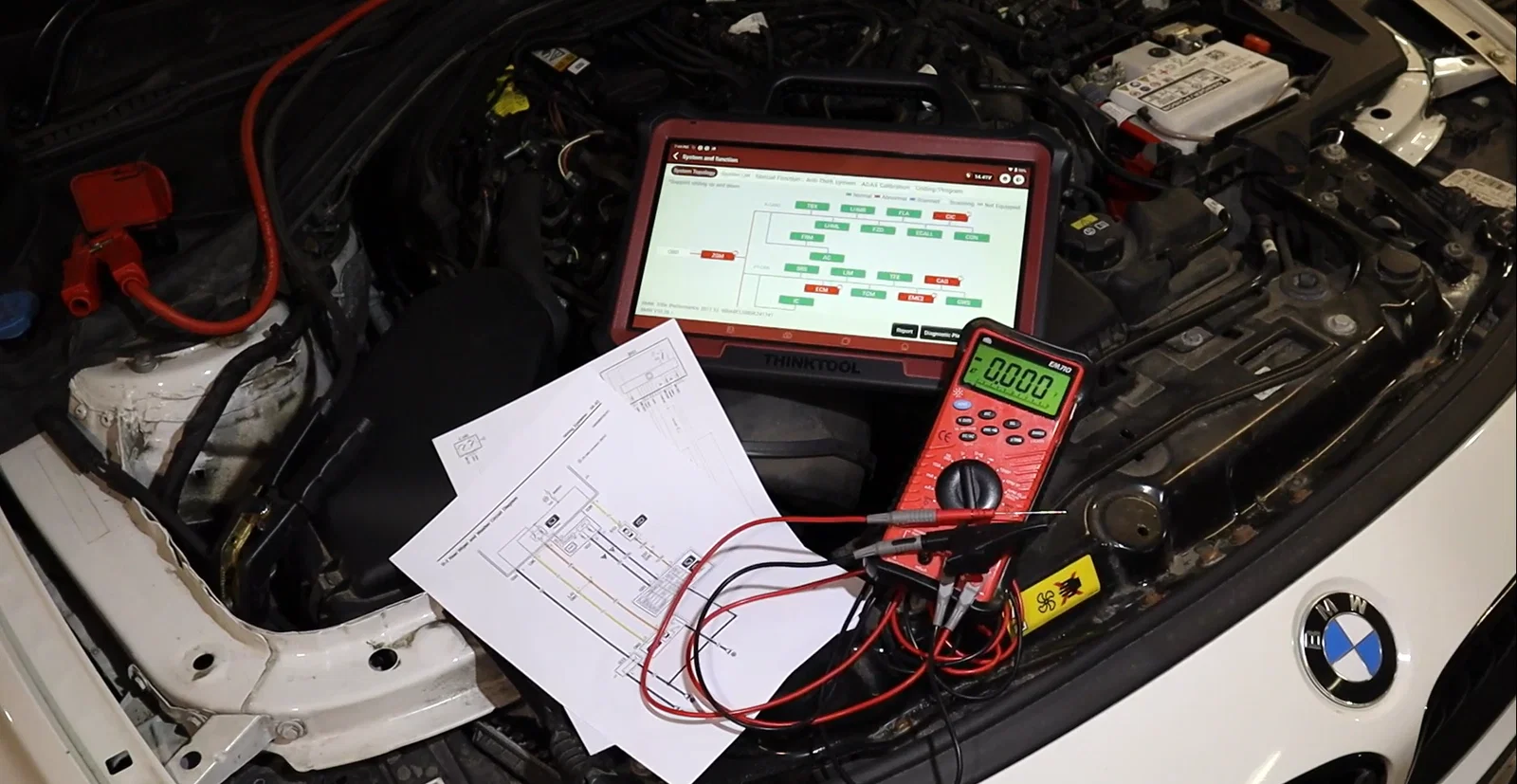
A basic multimeter can help if you already know how to use one safely. It can show battery voltage and support better conversations with a repair shop. Still, testing should never become a reason to poke random connectors or unplug sensors without knowing what they control.
The best tool is often restraint. Modern cars connect comfort features, safety systems, sensors, and control modules in ways that punish careless handling. Looking is safe. Forcing connectors, stripping wires, or jumping circuits without knowledge is where a small issue becomes a new problem.
Setting Inspection Timing Around Use, Weather, and Age
Inspection timing should match the car’s workload. A daily commuter in heat, rain, dust, or stop-and-go traffic deserves more frequent checks than a lightly used weekend car. Weather matters because moisture and temperature swings expose weak points faster than calm conditions.
A sensible rhythm is simple: quick visual checks every few weeks, deeper checks before road trips, and extra attention after heavy rain, repairs, battery replacement, or minor collision work. Electrical issues often appear after something nearby has been disturbed.
Older cars deserve a different mindset. Age hardens insulation, loosens clips, and allows corrosion to creep into places nobody has touched for years. Mileage matters, but time matters too. A low-mileage car can still carry old rubber, old connectors, and old surprises.
Knowing When to Stop Inspecting and Get Help
A good plan does not pretend every problem belongs in the driveway. The strongest inspection habit includes a clear stopping point. When symptoms involve safety systems, repeated fuse failures, smoke, burning smells, or warning lights tied to steering, braking, charging, or airbags, the right move is professional diagnosis.
When Warning Lights and Fuses Tell a Bigger Story
Warning lights are not decorations, and they are not always isolated. A charging light, battery light, ABS light, airbag light, or repeated sensor warning can point to communication or power issues across several systems. Guessing at these problems wastes time and can hide risk.
Repeated fuse failures deserve special respect. Replacing the same fuse again and again without finding the cause is like mopping water while the tap stays open. A fuse blows because the circuit is asking for more current than it should, and that cause needs to be found.
A trained technician can trace circuits, read fault codes, test voltage drops, and inspect harness sections you cannot easily reach. That does not make your inspection useless. It makes it the first chapter of a better repair story, not the whole book.
Turning Inspection Notes Into Better Repair Conversations
Repair conversations improve when you bring specifics instead of feelings. “The left headlight dims after rain” helps more than “the car acts weird.” “The starter hesitates only after sitting overnight” gives direction. Details save diagnostic time and reduce random part swapping.
Keep notes short but useful. Record the date, weather, symptom, driving condition, and whether anything was repaired recently. Photos also help, especially when you notice corrosion, rubbed insulation, or loose clips that may not be easy to describe later.
A strong owner does not need to perform every repair. A strong owner knows enough to notice trouble early, explain it clearly, and avoid turning small symptoms into expensive confusion. That is where confidence grows.
Conclusion
Electrical reliability is not built through panic repairs after the dashboard lights up like a warning board. It comes from a steady habit of checking what you can see, listening to what the car repeats, and respecting the line between observation and skilled diagnosis. A thoughtful wiring inspection plan gives you that line. It helps you catch weak connections, heat damage, rubbed insulation, fuse issues, and strange patterns before they ruin your day or strain your budget. The best part is that this habit does not demand perfection. It only asks you to pay attention before the car has to shout. Start with one simple check this week: open the hood, look at the battery area, scan visible wires, and write down anything that feels off. Small attention today is cheaper than forced attention on the roadside tomorrow.
Frequently Asked Questions
What is the best way to start checking car wiring at home?
Start with visible areas only. Look at the battery terminals, cable insulation, fuse box area, headlight wiring, and any loose or rubbing wires under the hood. Avoid unplugging connectors unless you know the system. A careful visual check already tells you plenty.
How often should drivers inspect vehicle electrical connections?
A quick look every few weeks works well for most daily drivers. Check more often before long trips, after heavy rain, after battery work, or when you notice dim lights, slow starts, or strange dashboard behavior. Timing should match how hard the car works.
What are common signs of damaged car wiring?
Common signs include flickering lights, blown fuses, burning smells, slow starting, dead accessories, warning lights, and intermittent power loss. The key word is intermittent. Electrical faults often appear and disappear before they become steady failures.
Can loose battery cables cause electrical problems while driving?
Loose battery cables can cause weak starting, flickering lights, warning lights, and sudden accessory problems. Power needs a firm path through clean connections. A battery may test fine while dirty or loose terminals still create trouble.
Is it safe to inspect automotive wiring without tools?
Visual inspection is safe when you avoid pulling, cutting, probing, or disconnecting parts. Use a flashlight and keep hands away from hot or moving components. Stop immediately if you smell burning, see melted insulation, or suspect a short circuit.
Why do fuses keep blowing in a car?
A fuse usually keeps blowing because the circuit has a fault, damaged wire, failing component, or unwanted contact with metal. Replacing the fuse repeatedly does not fix the cause. Repeated failures need proper testing before more parts get damaged.
When should car wiring problems be handled by a mechanic?
Get help when you see smoke, smell burning plastic, experience repeated fuse failures, or see warning lights tied to braking, airbags, steering, or charging. Professional testing is also smart when symptoms appear in several systems at once.
What should I record before visiting an auto electrician?
Record when the issue happens, weather conditions, recent repairs, warning lights, sounds, smells, and which accessories fail. Photos help too. Clear notes turn a vague complaint into a useful diagnostic path, which can save time and money.