A car can look calm from the driver’s seat while its electrical system is quietly turning small faults into bigger problems. You may notice a flickering dashboard light, a slow window motor, a strange burning smell, or a battery that keeps dying for no clear reason, and the easy move is to blame age, weather, or bad luck. In many cases, faulty car wiring sits behind those warning signs. Modern vehicles depend on electrical signals for starting, lighting, braking support, fuel delivery, infotainment, sensors, and safety features, so damaged wires do not stay hidden for long. They interrupt the way the vehicle thinks, reacts, and protects you. That is why practical car care, clear repair information, and accessible resources from a trusted automotive awareness platform matter more than most drivers realize. Wiring problems rarely announce themselves with one dramatic failure. They creep in. Then one morning, the car that behaved yesterday refuses to cooperate today.
How Faulty Car Wiring Shows Up Before a Breakdown
Electrical trouble often starts with small moments that drivers explain away. A headlight dims for a second, the radio cuts out over a bump, or the starter hesitates before the engine wakes. These signs matter because car electrical problems usually build from weak contact, heat damage, corrosion, or vibration. A wire does not need to snap in half to cause trouble. A loose connector, cracked insulation, or rubbed harness can create enough resistance to confuse the whole system.
Why small electrical symptoms deserve attention
Tiny glitches carry more meaning than they seem to. A flickering cabin light can point toward a weak ground connection, while a random warning light may come from voltage drops reaching a sensor. The car is not being dramatic. It is reporting unstable communication between parts that need clean power and clear signals.
Drivers often wait because the vehicle still moves. That thinking makes sense on the surface, but it can turn an affordable inspection into a larger repair. A loose connector near the battery, for example, may only cause slow starts at first. Left alone, it can strain the alternator, confuse the charging system, and leave you stranded after a short stop.
Electrical warning signs also tend to come and go. That makes them easy to ignore and harder to explain at a repair shop. Write them down when they happen: the weather, the road condition, the speed, and which feature failed. That small habit gives a technician a better trail to follow than “it did something weird last week.”
How wiring faults interrupt normal driving habits
Daily driving depends on repetition. You expect the same turn signal click, the same dashboard response, the same engine start, and the same brake light behavior every time. When wiring weakens, that rhythm breaks. The car may still drive, but trust starts leaking out of the experience.
A damaged harness under the dashboard can affect switches, warning lights, or climate controls. A rubbed wire near the engine can create intermittent power loss when heat expands the surrounding parts. A corroded connector in a door can make windows, locks, or mirrors work only when the door sits at a certain angle.
That is the irritating part of vehicle wiring issues: they often hide inside movement. The car may act fine in the driveway and fail on rough pavement. A turn, a pothole, or engine vibration can shift a weak wire enough to break contact. Not always. But often enough to take seriously.
Faulty Car Wiring and the Safety Systems You Depend On
Safety features feel automatic because they work in the background. That confidence can become dangerous when the wiring behind those features starts to fail. Brake lights, airbags, ABS sensors, stability systems, reverse cameras, and headlights all depend on reliable electrical paths. When those paths weaken, the vehicle may lose some of its ability to warn you, guide you, or warn other drivers around you.
How car electrical problems can affect visibility and signaling
Lights are among the first places many drivers notice electrical trouble. A headlight may dim, a brake light may work only sometimes, or a turn signal may blink faster than normal. These signs are not cosmetic. They affect how other drivers read your movement, especially at night, in rain, or during sudden stops.
A weak ground can make one light behave strangely when another light turns on. For example, pressing the brake pedal might dim a tail lamp or trigger a dashboard warning. That happens because electricity searches for another path when the proper one becomes restricted. The result looks strange from the outside, but the cause is often simple: poor contact or damaged wiring.
Visibility problems also create legal and practical risks. A driver behind you cannot react to a brake light that never turns on. A driver beside you cannot respect a lane change signal that cuts out mid-blink. The wiring may be hidden, but its failure plays out in public traffic.
Why sensor errors can create false confidence
Modern vehicles lean heavily on sensors. Wheel speed sensors help braking systems read tire movement. Oxygen sensors guide fuel control. Parking sensors judge distance. Cameras support reversing and lane alerts. When vehicle wiring issues interrupt those signals, the car may respond with warning lights, reduced features, or wrong readings.
The tricky part is that not every sensor warning means the sensor itself has failed. Sometimes the wiring leading to it has corroded, stretched, or broken internally. Replacing the part without checking the wiring can waste money and leave the same problem waiting to return.
False confidence can be worse than a clear failure. A backup camera that cuts out once a month may train you to trust it until the one time it freezes at the wrong moment. Safety systems should support your attention, not replace it. When electrical behavior becomes uneven, treat it as a message from the car, not a mood.
What Damages Wiring in Everyday Vehicles
Wiring lives in some unfriendly places. It sits near heat, moisture, moving parts, road salt, spilled drinks, sharp brackets, and impatient hands during repairs. Because wiring is often bundled and hidden, drivers rarely think about it until something stops working. That blind spot gives small damage plenty of time to grow.
Heat, moisture, and movement create slow damage
Engine bays punish wiring every day. Heat hardens insulation, vibration loosens connectors, and moisture invites corrosion. Over time, a harness that once bent cleanly can become stiff and brittle. Once insulation cracks, the copper inside becomes exposed to air, water, and contact with nearby metal.
Road conditions add another layer. Puddles splash into lower connectors. Salt can speed corrosion in areas that see winter roads or coastal air. Dust and grime hold moisture in tight spaces. None of this looks dramatic from the driver’s seat, but the damage can quietly change how current flows through the vehicle.
Movement may be the most underestimated cause. Doors, trunks, hoods, seats, and steering columns all have wiring that flexes. A wire inside a door hinge area can bend thousands of times over years of use. Once the copper strands inside start to break, the feature may work only when the door sits in a certain position. That kind of fault feels random until someone checks the moving section closely.
How poor repairs can create new wiring problems
Bad repair work can injure a car long after the original job is finished. A rushed stereo install, low-grade alarm system, careless trailer wiring kit, or messy accessory connection can leave spliced wires exposed, overloaded, or poorly grounded. The car may work for a while, then slowly reveal the cost of that shortcut.
Aftermarket additions need respect for the vehicle’s electrical design. Tapping into the wrong circuit can overload wiring that was never meant to power extra equipment. Poor insulation can let moisture reach a splice. Loose routing can allow a wire to rub against metal until it wears through.
A clean wiring repair does not look exciting. It looks boring, protected, secured, and traceable. That is the point. When a repair leaves mystery wires, dangling connectors, or tape wrapped like a bandage over uncertainty, the vehicle inherits a future problem. Saving time on wiring rarely saves money for long.
Practical Checks That Help Drivers Avoid Bigger Repairs
Drivers do not need to become electricians to protect their vehicles. You need a sharper eye, better timing, and the discipline to stop ignoring patterns. Car electrical problems become easier to manage when you catch them before heat, resistance, and short circuits spread the damage.
What you can inspect without taking the car apart
Simple checks can reveal plenty. Look at battery terminals for corrosion, looseness, or white powdery buildup. Watch for lights that dim when you start the engine or turn on the air conditioning. Notice whether switches respond slower than they used to. Pay attention to any burning smell near the dashboard, steering column, or engine bay.
You can also check for patterns after rain, washing, or driving over rough roads. If a feature fails after moisture exposure, a connector or seal may be letting water in. If it fails after bumps, a loose connection or broken internal wire becomes more likely. Pattern recognition turns vague frustration into useful evidence.
Avoid poking wires with random tools or pulling on connectors without knowing how they lock. Modern connectors can be delicate, and a forced repair can create a second problem. The smart move is observation first, then proper testing. Guesswork has a talent for making electrical repairs more expensive.
When to stop driving and book a proper diagnosis
Some warning signs deserve fast action. Smoke, a burning plastic smell, repeated blown fuses, dead brake lights, engine stalling, or warning lights tied to braking and steering support should not wait. These signs can affect safety and may point toward heat or short-circuit risk.
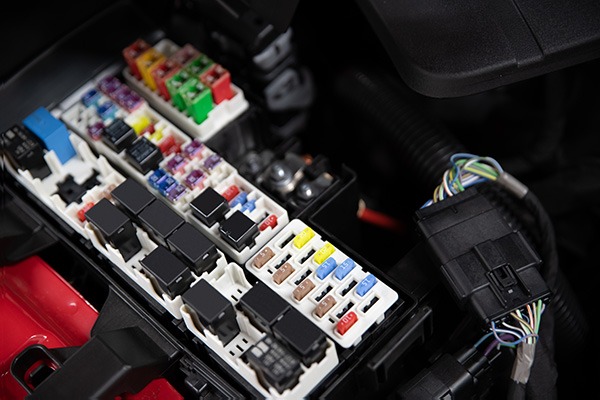
A technician should test voltage, grounds, resistance, fuse behavior, and signal quality before replacing parts. Good diagnosis separates a failed component from a wiring fault. That distinction matters because two cars can show the same warning light for different reasons.
Keep repair records when vehicle wiring issues appear. Note what was tested, what was repaired, and which symptoms changed afterward. Electrical work rewards careful tracking. Random parts replacement drains wallets; organized diagnosis solves problems.
Conclusion
A dependable car is not only an engine, tires, and fuel. It is also a network of hidden wires carrying instructions every second you drive. Treating electrical symptoms as minor annoyances is a gamble, because those symptoms can affect lights, sensors, starting, charging, comfort features, and safety systems. Faulty car wiring does not always stop a vehicle at once, and that is exactly why it fools people. It gives you enough normal days to delay the repair, then chooses a worse day to become serious. The best move is simple: respect the early signs, record the pattern, inspect what you can see, and let a skilled technician test what you cannot. Do not wait for the car to prove the problem on the roadside. Book a proper electrical check as soon as repeated symptoms appear, because the cheapest wiring repair is usually the one handled before trust breaks.
Frequently Asked Questions
What are the first signs of car wiring problems?
Flickering lights, slow starting, random warning lights, weak power windows, repeated blown fuses, and features that fail over bumps can all point toward wiring trouble. The pattern matters most. A symptom that returns under similar conditions deserves inspection.
Can bad wiring make a car fail to start?
Yes, damaged wiring can stop power from reaching the starter, fuel pump, ignition system, or engine control module. A weak battery is not always the cause. Loose grounds, corroded terminals, or broken wires can create the same no-start frustration.
Are vehicle wiring issues dangerous while driving?
They can be dangerous when they affect lights, braking support, steering assistance, engine operation, or safety sensors. A minor comfort feature failure is one thing. A brake light, ABS, or engine control fault needs faster attention.
Why do car electrical problems come and go?
Intermittent faults often happen because vibration, heat, moisture, or movement changes the wire’s contact point. A loose connector may work in the driveway and fail on rough roads. That on-and-off behavior is common in electrical diagnosis.
Can a blown fuse mean faulty wiring?
A blown fuse can come from a failed part, overload, short circuit, or damaged wiring. Replacing the fuse without finding the cause can hide the problem for a short time. Repeated fuse failure means the circuit needs testing.
How much does car wiring repair usually depend on diagnosis?
Cost depends heavily on location and access. A visible loose terminal may be quick to fix, while a damaged harness behind the dashboard can take more labor. Proper diagnosis prevents paying for parts that were never the real problem.
Can aftermarket accessories cause wiring faults?
Yes, poorly installed stereos, alarms, lights, dash cameras, and trailer kits can strain circuits or create weak splices. Extra equipment should be connected with the right protection, clean routing, and secure grounding to avoid future failures.
Should I drive with electrical warning lights on?
A single warning light may not always mean immediate danger, but repeated or safety-related warnings deserve prompt attention. Brake, steering, airbag, charging, and engine warnings should not be ignored. Driving longer can turn a small fault into a costly failure.