

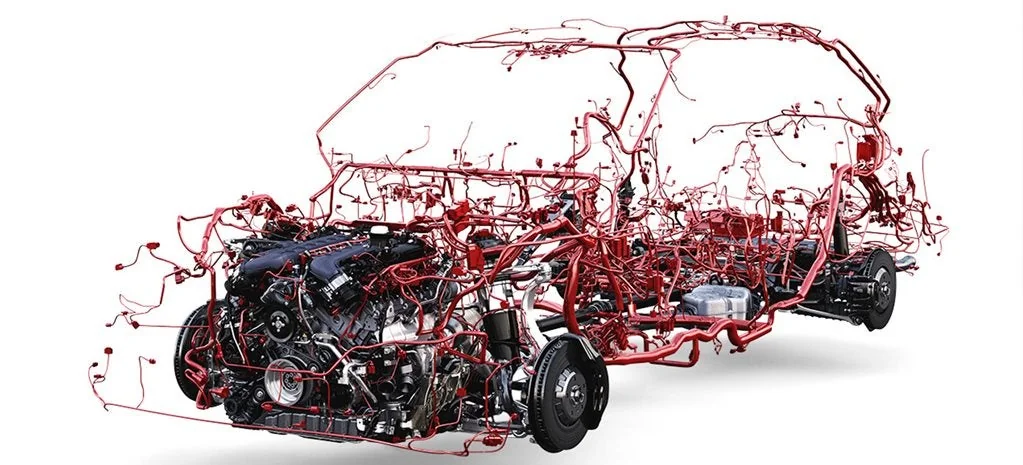
A car can feel solid, quiet, and refined, yet one weak connection behind a panel can turn that confidence into confusion. The parts you see get the attention, but the signals moving through the body decide how much of the vehicle actually works as promised. That is why vehicle wire systems deserve more respect than most drivers give them. They carry power, data, and instructions through tight spaces, hot zones, wet areas, and moving parts while staying out of sight almost all the time.
Good wiring is not only about keeping lights on or starting the engine. It shapes how sensors talk, how safety features respond, how comfort systems behave, and how faults show up when something goes wrong. For anyone trying to understand modern cars, this hidden network is a smart place to start. Clear technical communication also matters, which is why resources shared through trusted automotive publishing platforms can help turn complex repair topics into language normal drivers can follow without feeling lost.
How Automotive Wiring Turns Separate Parts Into One Working Vehicle
A vehicle is not one machine as much as it is a group of smaller systems forced to cooperate under pressure. The engine, battery, lights, sensors, switches, control modules, infotainment unit, and safety features all need a shared path for power and messages. Automotive wiring gives those parts a common nervous system, and when that system is planned well, the vehicle feels calm instead of chaotic.
Why car electrical wiring does more than carry power
Car electrical wiring often gets treated like a set of simple cables, but that view misses the real job. Some wires deliver current to motors, lamps, heaters, and pumps. Others carry low-voltage signals from switches, pressure sensors, temperature sensors, or control units that make decisions in a fraction of a second.
A brake light circuit shows the difference clearly. The switch near the pedal may seem small, but its signal can feed lamps, cruise control cancellation, transmission logic, and driver-assist behavior. One faulty connector can create symptoms that look unrelated until you trace the path back to the same signal.
This is where many owners get misled. A warning light on the dashboard does not always mean the named part has failed. Sometimes the part is fine, and the wiring feeding it has resistance, corrosion, or a loose pin. The wire did not “break the car” in a dramatic way. It quietly changed the conversation between parts.
How an auto wiring harness keeps complexity controlled
An auto wiring harness turns a mess of separate conductors into a planned route. Instead of letting wires wander through the car, engineers group them, wrap them, clip them, protect them, and send them through areas where they can survive heat, vibration, moisture, and movement. That planning saves space and reduces failure points.
A front door harness is a useful example. It may support the window motor, lock actuator, mirror control, speaker, puddle light, and sometimes a side-impact sensor. Each time the door opens, the harness bends in the same area. Poor routing there will not fail on day one, but repeated flexing can wear insulation or break strands inside the wire.
The best harness design accepts that cars live rough lives. Roads shake them. Weather attacks them. Repairs disturb them. Drivers spill drinks, slam doors, load cargo, tow trailers, and add accessories. A strong harness does not pretend those things will not happen. It survives them with smart routing, clips, sleeves, grommets, and enough slack where movement is expected.
Reading Electrical Symptoms Without Guessing
Once you understand the hidden network, diagnosis becomes less like gambling. Electrical problems rarely announce themselves with perfect honesty. A dim lamp, weak starter, random warning message, dead window, or intermittent sensor fault may point toward a failed component, but it may also expose a weak connection upstream. The smartest move is to read symptoms as clues, not verdicts.
What voltage drops reveal inside car electrical wiring
Voltage drop sounds technical, but the idea is plain. Electricity loses strength when it has to pass through resistance, and unwanted resistance often comes from corrosion, loose terminals, damaged strands, poor grounds, or bad splices. A wire can still look connected while failing under load.
Headlights make this easy to picture. A bulb may glow, yet appear dull because the circuit feeding it cannot deliver full power. Replacing the bulb may change nothing. Cleaning a ground point or fixing a tired connector may bring the light back to life because the real problem was not the lamp at all.
This is also why testing matters more than guessing. A circuit can pass a basic continuity check and still fail when asked to carry current. That catches people off guard. The wire says “yes” during a simple test, then says “not enough” during actual use. Good diagnosis asks the circuit to perform under conditions close to real life.
Why vehicle electrical connectors fail in ordinary places
Vehicle electrical connectors often fail in places that look harmless. A connector behind a bumper, under a seat, near a battery tray, inside a door jamb, or close to the engine bay may face moisture, heat, dirt, vibration, or careless handling during repair. The damage usually begins small, then grows into a strange pattern of symptoms.
A loose terminal can be worse than a fully broken wire because it creates intermittent faults. The system may work on smooth roads and fail over bumps. It may behave in cold weather and act up after the cabin warms. Those faults waste time because they vanish when the car reaches the shop.
The counterintuitive part is that many connector failures are not caused by age alone. They come from human hands. A rushed accessory install, a probe shoved into the wrong side of a connector, a clip left hanging after repair, or tape wrapped too tightly can create trouble months later. Electrical work rewards patience because small disrespect becomes expensive later.
Protecting Control, Comfort, and Safety Through Better Wiring Choices
Modern driving comfort depends on silent cooperation. Power seats, climate control, parking sensors, cameras, steering buttons, charging ports, heated glass, and driver alerts all rely on stable electrical paths. When wiring quality drops, the car may still move, but it stops feeling trustworthy. That shift matters because trust is part of safety.
How automotive wiring supports driver control
Automotive wiring affects control in ways most drivers never notice until something misbehaves. Steering angle sensors, wheel speed sensors, throttle signals, transmission controls, and braking electronics depend on clean communication. A damaged wire near a wheel hub can trigger traction warnings even when the mechanical parts look fine.
A wheel speed sensor circuit gives a grounded example. The sensor sits in a harsh area near road spray, brake dust, and suspension movement. If its wire rubs against a bracket or its connector fills with moisture, the control module may lose a clean signal. The result can affect anti-lock braking, stability control, or speed-related features.
That does not mean every warning light is a wiring problem. It means wiring has to be part of the first serious conversation, not an afterthought after parts have been replaced. A careful technician checks signal quality, power supply, ground paths, and connector condition before blaming the most expensive component in the chain.
Why an auto wiring harness matters for cabin comfort
An auto wiring harness also shapes the way a cabin feels. Seats adjust because motors receive power. Climate panels respond because control signals reach actuators. Speakers sound clean because wiring stays protected from interference and poor grounding. Even a soft interior light depends on a circuit that behaves when doors open and close.
Comfort faults can feel less urgent than engine or brake issues, but they reveal the same truth. A driver who loses window control during rain, mirror adjustment before a highway merge, or defroster operation on a cold morning feels the cost fast. Convenience becomes safety when the situation changes.
Better wiring choices also reduce noise, rattles, and repair headaches. A harness clipped tightly in the right place will not buzz behind a dashboard. A connector with enough access room will not require half the interior to be removed during service. Engineers who respect future repairs save drivers from labor bills that feel absurd for a small fault.
Building Smarter Habits Around Inspection, Repair, and Upgrades
Understanding wiring is useful only when it changes behavior. Drivers, DIY repairers, and even shops can avoid many problems by treating electrical paths as designed systems rather than loose accessories. The goal is not fear. The goal is respect for the quiet parts that make every visible feature behave.
When vehicle electrical connectors need a closer look
Vehicle electrical connectors deserve attention whenever a fault appears after rain, after a repair, after a collision, after accessory installation, or after repeated movement in one area. Those patterns matter. Random symptoms often become less random when you connect them to moisture, heat, vibration, or recent human contact.
Inspection should be careful, not aggressive. Pulling on wires, forcing clips, scraping terminals, or stuffing test probes into tight sockets can create new faults. A better approach checks for green corrosion, bent pins, backed-out terminals, broken locks, brittle plastic, water trails, and damaged seals before anything gets replaced.
A connector can also look clean from the outside while hiding trouble inside. That is why movement tests, load tests, and ground checks carry so much value. The aim is to make the fault show itself without causing more damage. Good electrical work is not dramatic. It is slow, observant, and a little stubborn.
How car electrical wiring upgrades should be planned
Car electrical wiring upgrades need planning before any new device touches the vehicle. Extra lights, dash cameras, audio amplifiers, trailer wiring, chargers, and security systems can all work well when installed correctly. They can also create battery drain, melted insulation, blown fuses, random module errors, or noise in sensitive circuits.
The safe path starts with load, fuse protection, routing, grounding, and service access. A new accessory should draw power from a suitable source, carry the right fuse, avoid sharp edges and heat, and leave factory circuits undamaged. Tapping into the nearest wire because it is easy is how small upgrades become long-term problems.
The better mindset is simple: every added wire becomes part of the vehicle’s future. Someone will diagnose it later. Someone may remove a panel, replace a battery, repair a collision area, or chase a warning light near it. A clean upgrade respects that future person. Often, that future person is you.
Conclusion
The hidden wiring in a car does not ask for attention, but it earns it every mile. A vehicle can have strong mechanical parts, attractive design, and modern features, yet still feel unreliable when signals fail to travel cleanly. That is the lesson worth keeping: electrical paths are not background details. They are the agreement that lets every system keep its promise.
A better grasp of vehicle wire systems helps you make wiser repair choices, ask sharper questions, and avoid replacing parts based on guesswork. It also protects you from careless upgrades that solve one problem while planting another behind a trim panel. The next time a warning light appears, a switch acts strange, or an accessory needs installing, slow down before chasing the obvious answer. Start with the path, the connector, the ground, and the load. Respect the wiring, and the vehicle becomes far easier to understand.
Frequently Asked Questions
What are vehicle wire systems in a modern car?
They are the organized wiring networks that carry power, ground, and signals between the battery, sensors, switches, lights, motors, and control modules. They let separate parts communicate and work together, which makes them central to performance, safety, comfort, and fault diagnosis.
How does car electrical wiring affect vehicle reliability?
Weak wiring can cause voltage loss, poor signals, dead accessories, warning lights, and intermittent faults. A part may seem defective when the real issue is a loose terminal, corroded ground, damaged wire, or connector that only fails under movement or load.
Why does an auto wiring harness matter so much?
It keeps wires grouped, protected, routed, and secured through the vehicle. Without a proper harness, wires would face more rubbing, heat exposure, moisture damage, and repair confusion. A good harness reduces faults and makes future diagnosis far cleaner.
What are common signs of bad vehicle electrical connectors?
Common signs include random warning lights, features that work only sometimes, faults after rain, problems over bumps, dim lighting, weak motors, or systems that fail after recent repair work. Connectors can fail from corrosion, loose pins, broken locks, or damaged seals.
Can damaged automotive wiring cause sensor problems?
Yes. A sensor may send incorrect data or stop communicating if its power, ground, or signal wire is damaged. The sensor itself may still be healthy, which is why testing the wiring path often saves money before parts get replaced.
How should car electrical wiring upgrades be installed?
They should use the correct wire size, fuse protection, grounding point, and route away from heat, sharp metal, and moving parts. Poor add-on wiring can drain the battery, damage factory circuits, or create faults that are hard to trace later.
Why do electrical problems in cars come and go?
Intermittent electrical faults often come from loose terminals, cracked wires, weak grounds, or connectors affected by heat, vibration, or moisture. The circuit may work in one condition and fail in another, which makes careful testing better than quick part swapping.
When should a driver inspect vehicle wiring?
Inspection makes sense after water exposure, collision repair, accessory installation, repeated blown fuses, warning lights, or strange feature behavior. Early checks can catch damaged insulation, corrosion, loose grounds, or connector issues before they turn into bigger repair bills.